Login
Sign Up
Login
Do not have an account?
Create an AccountSign Up
User registration is currently not allowed.
Rewilding is a progressive approach to conservation. It is about letting nature take care of itself, enabling natural processes to shape land and sea, repair damaged ecosystems and restore degraded landscapes. Through rewilding, the natural rhythms of wildlife create wilder, more resilient habitats with greater biodiversity. Rewilding Europe
Rewilding means giving nature the space and time it needs to recover and thrive, without major human intervention. However, it is necessary to understand what may be missing from the landscape (keystone species, natural processes) and to restore some of these missing pieces, in order to give nature a boost and speed up its recovery.
Alongside the region’s incredible natural values, the Greater Côa Valley represents a unique opportunity to apply rewilding principles owing to the high levels of rural abandonment.
This opportunity can be explored by adopting a large-scale landscape perspective, working to improve connectivity between natural areas while supporting sustainable business models in the region that can stimulate local economies and bring additional value to the area’s communities.
Rewilding Portugal is managing 3 areas in the Greater Côa Valley, following rewilding conservation principles.
This area is located near Vilar Maior, a village with medieval features close to the Spanish border.
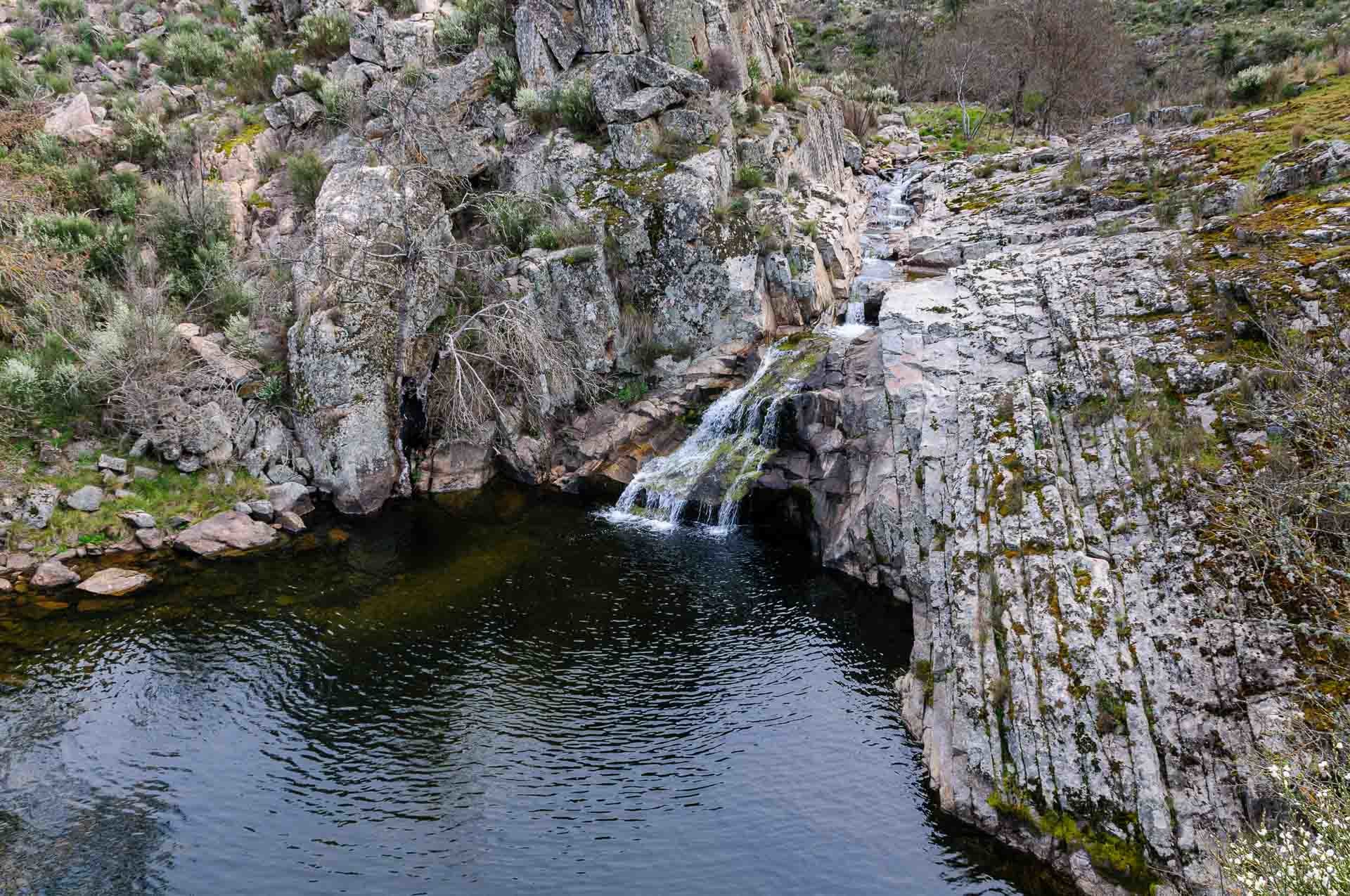
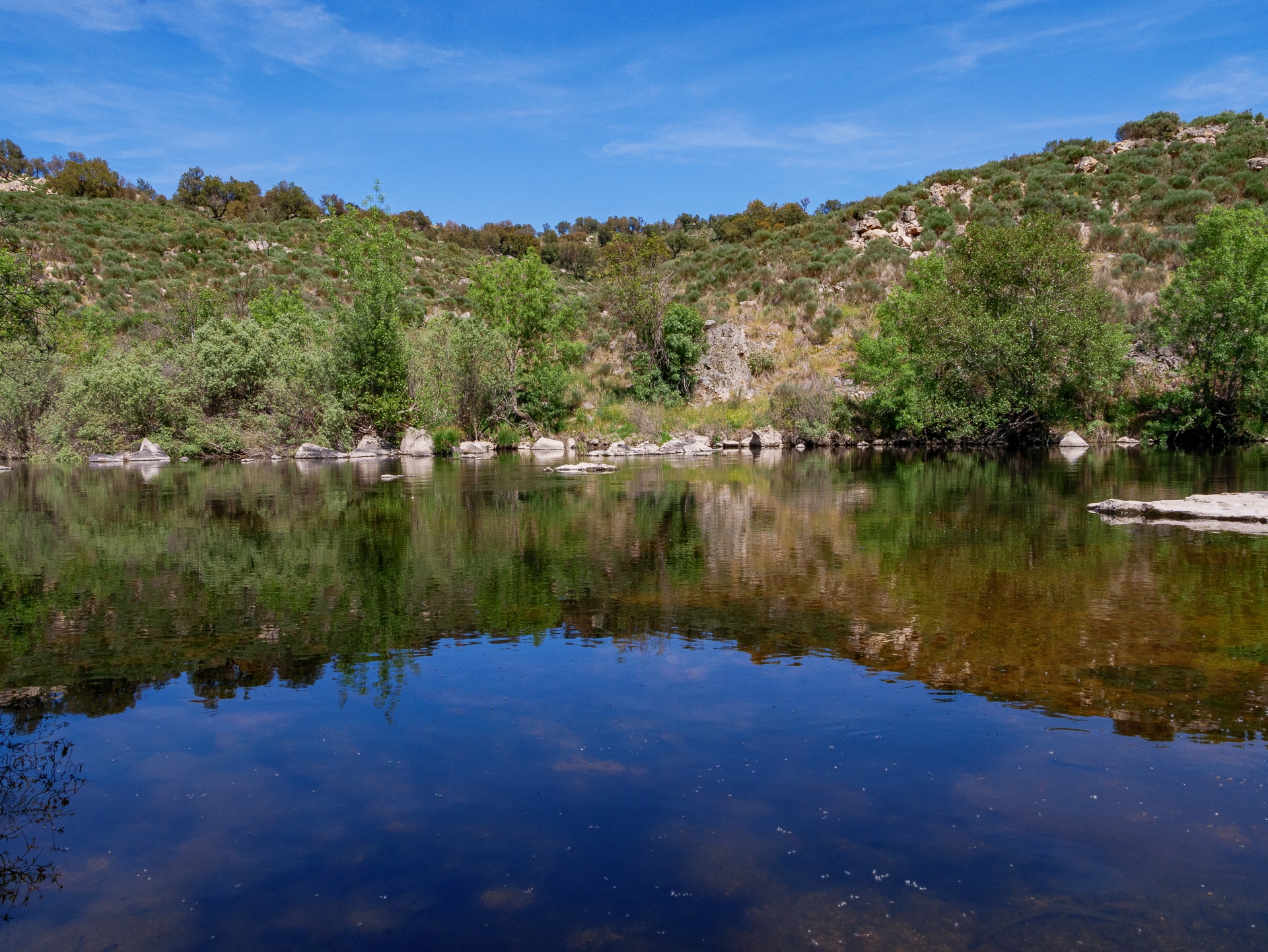
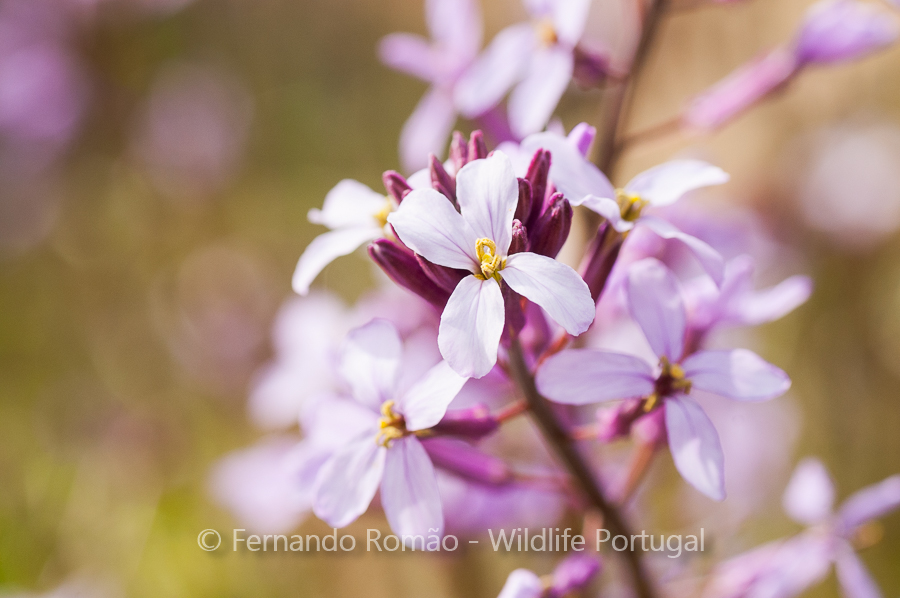
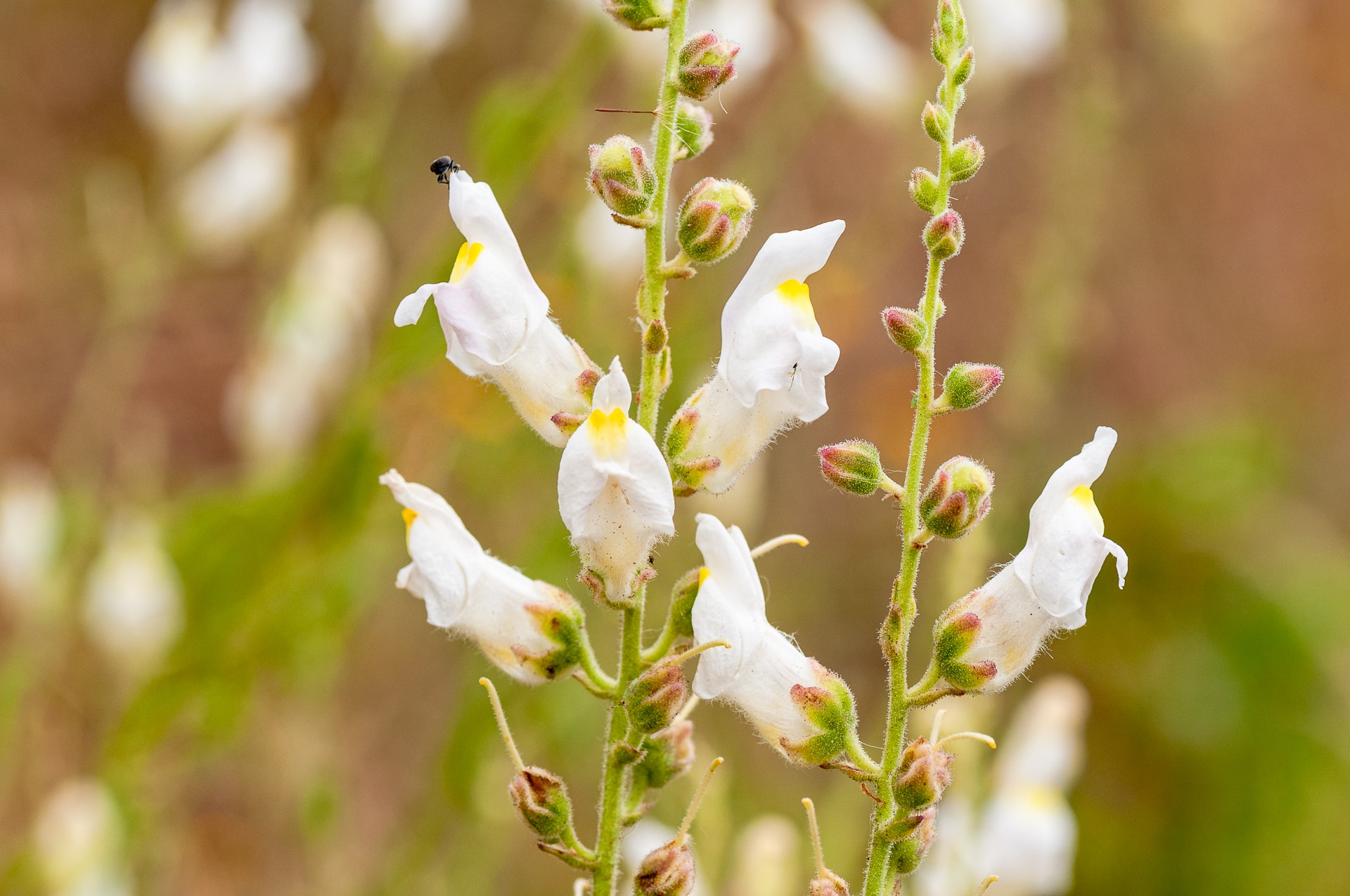
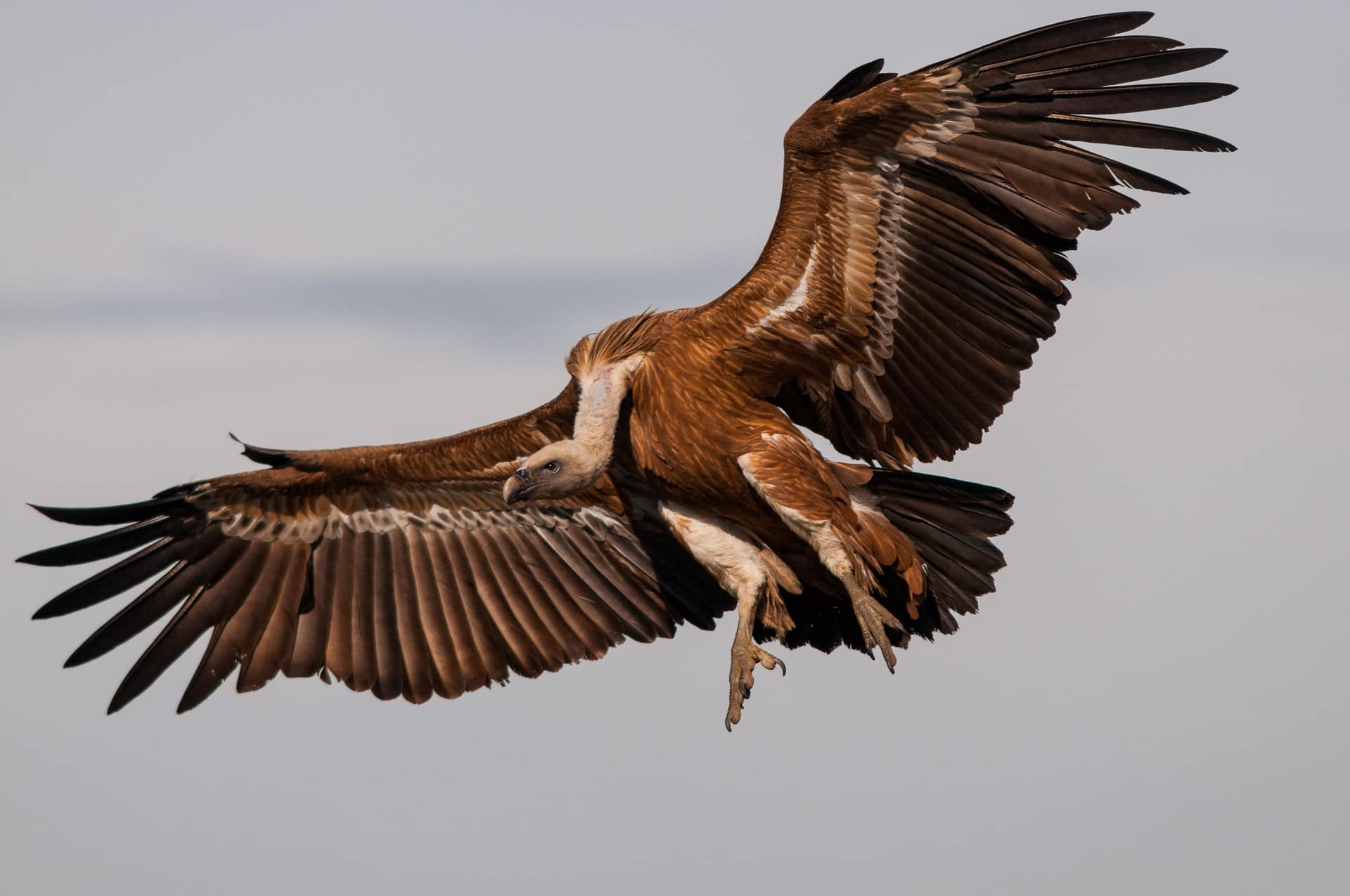
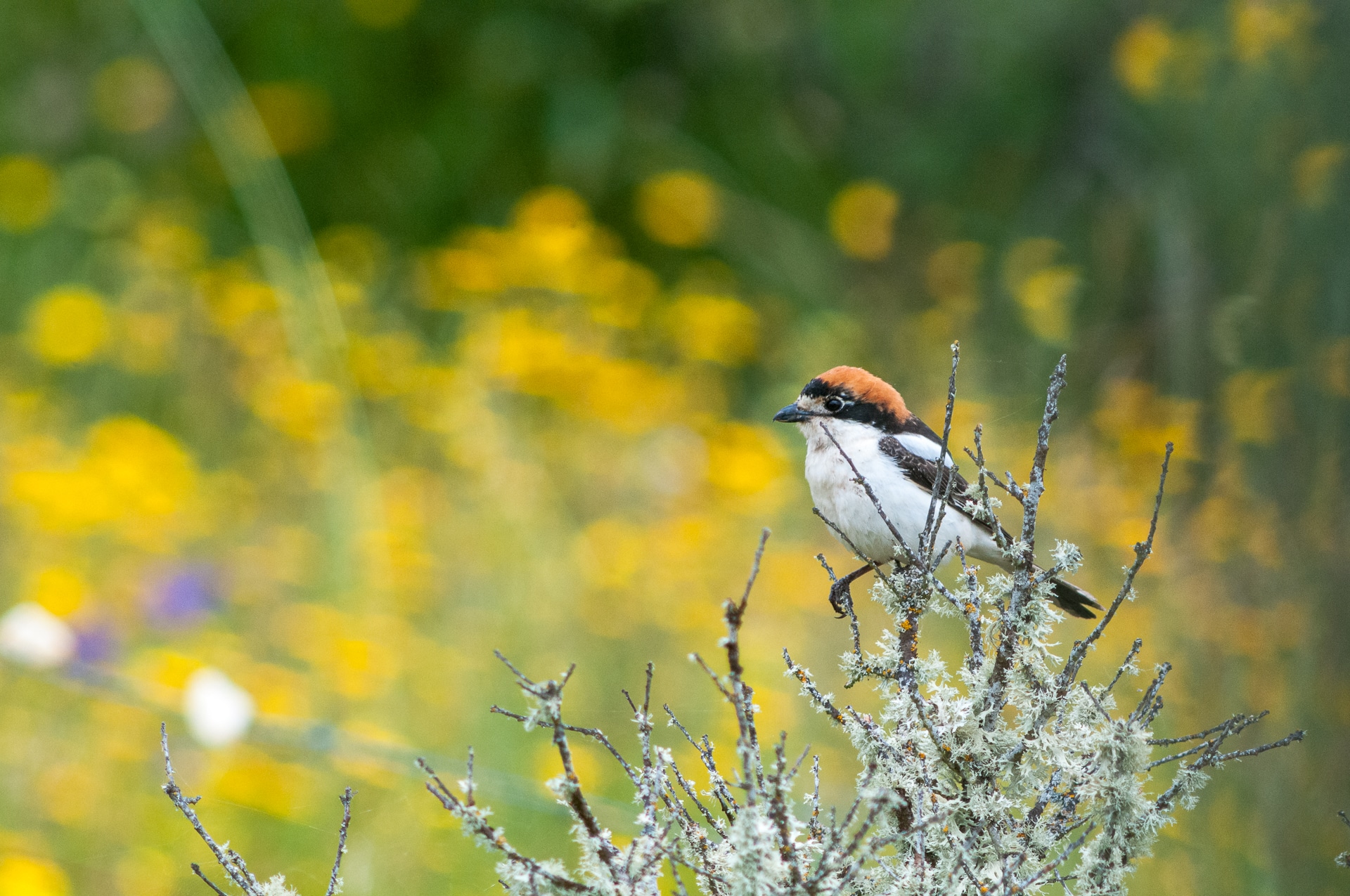
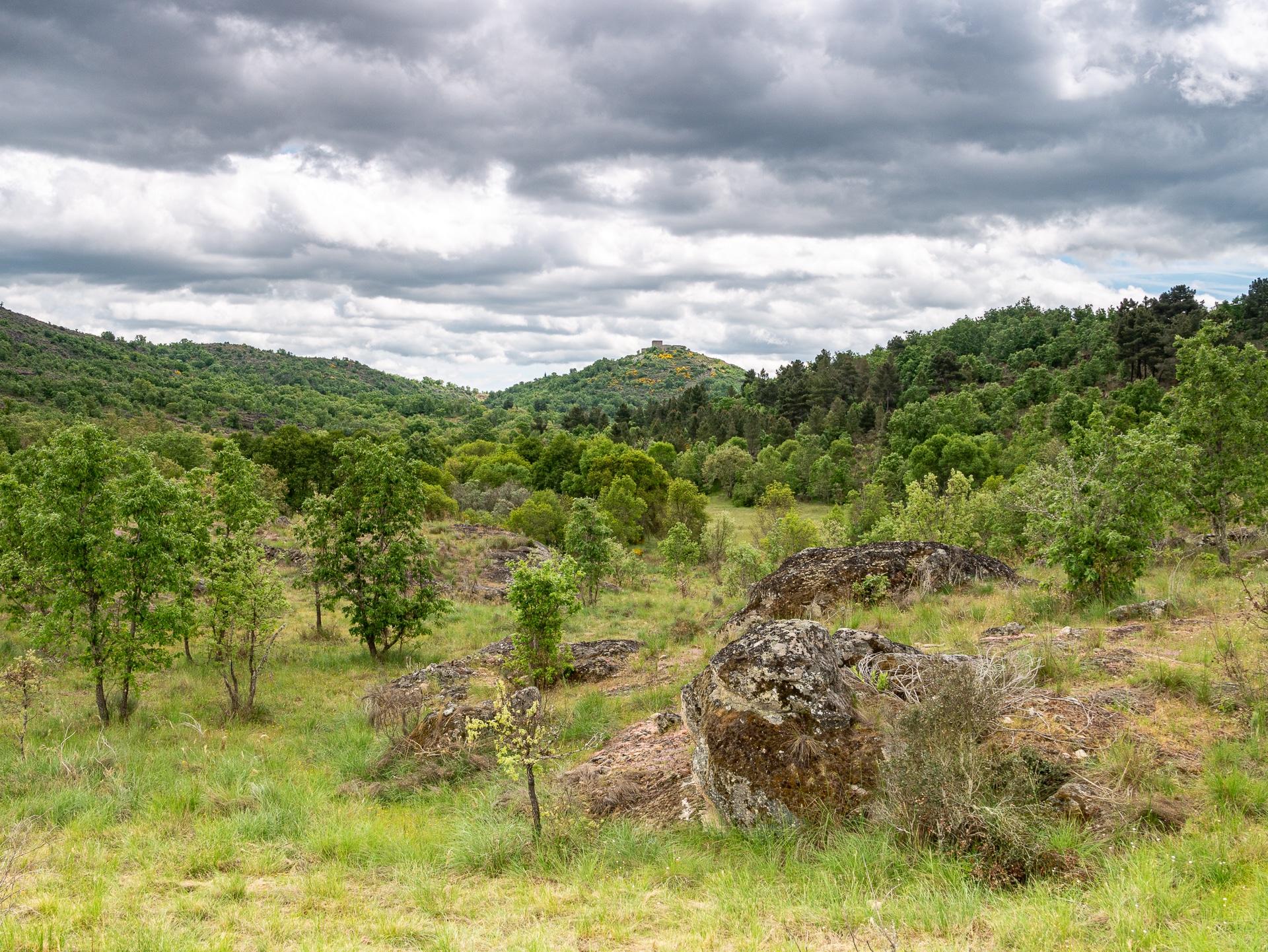
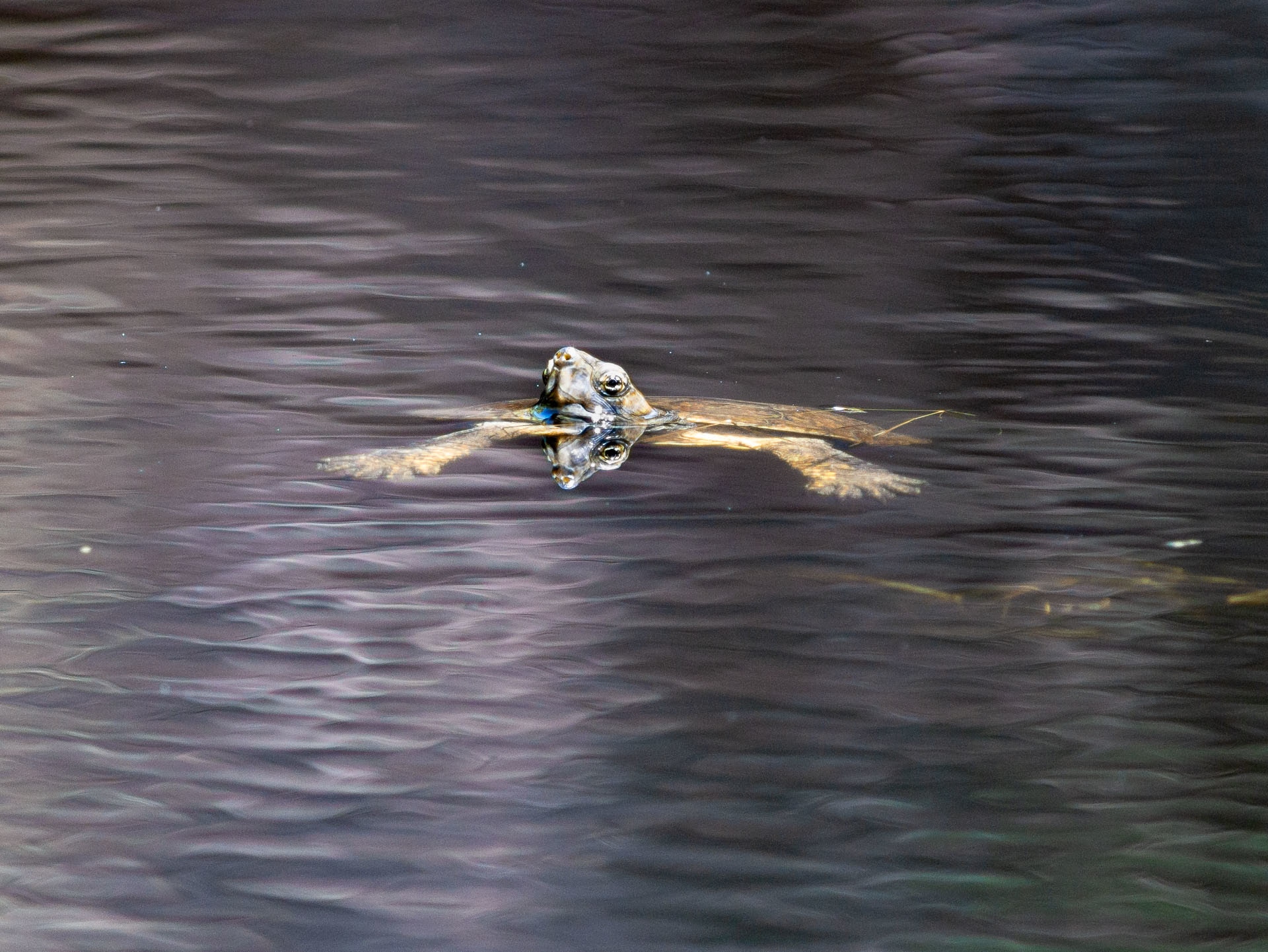
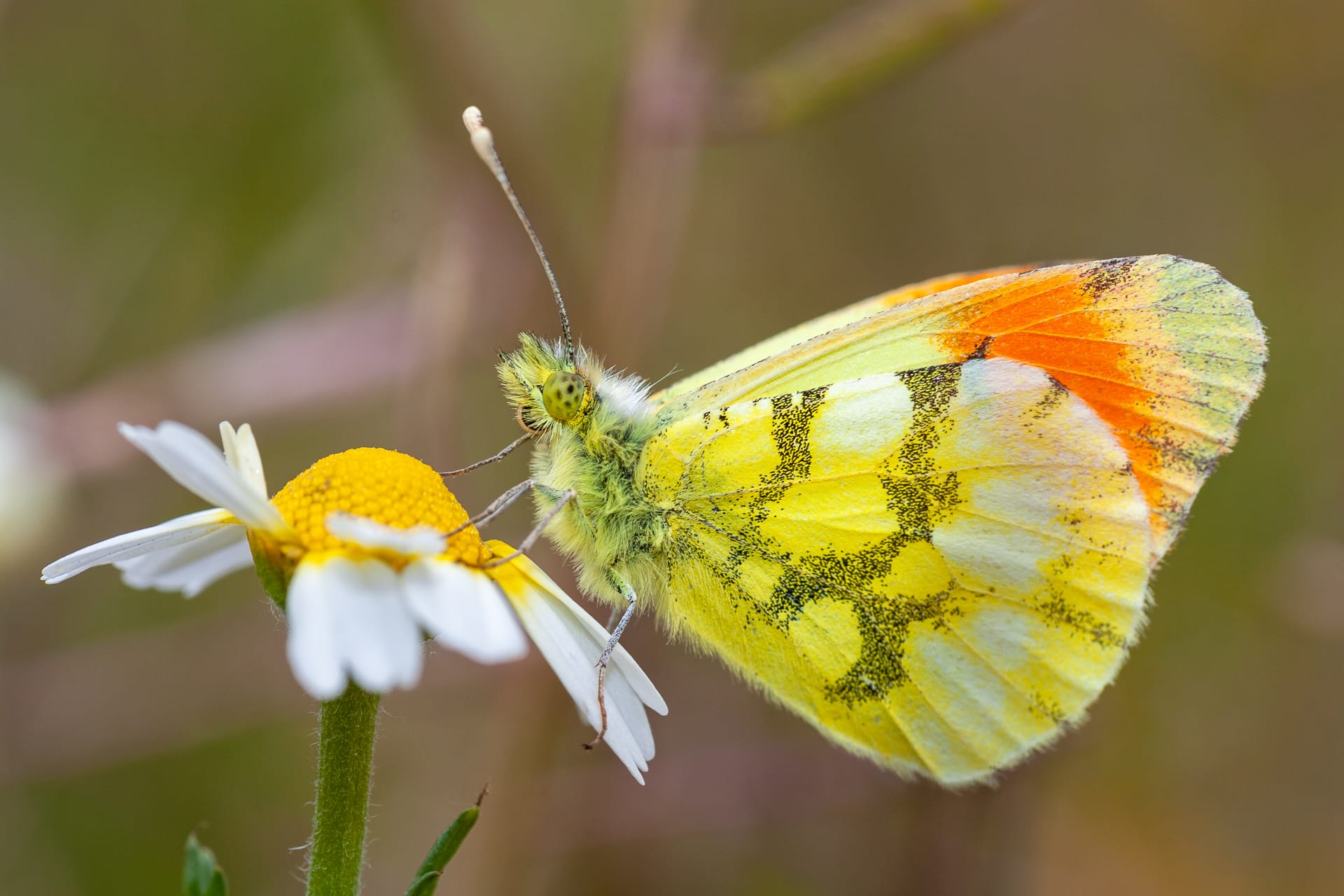
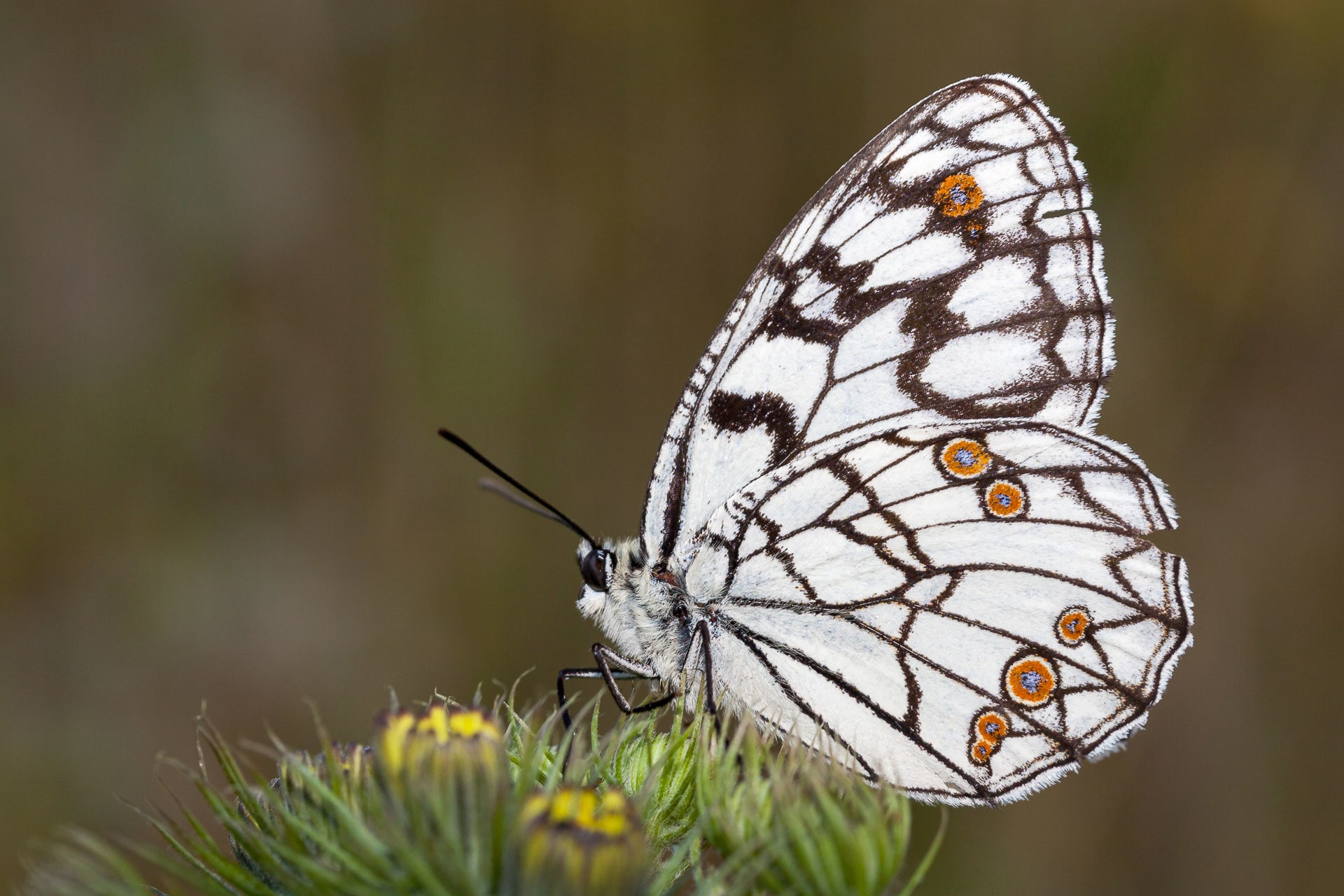
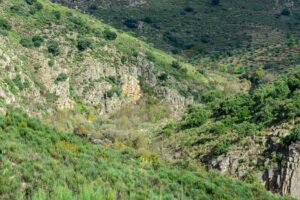
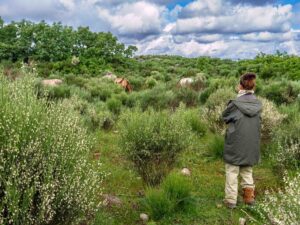
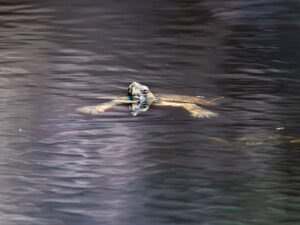
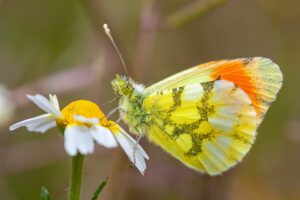
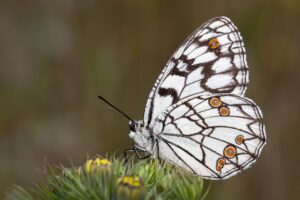
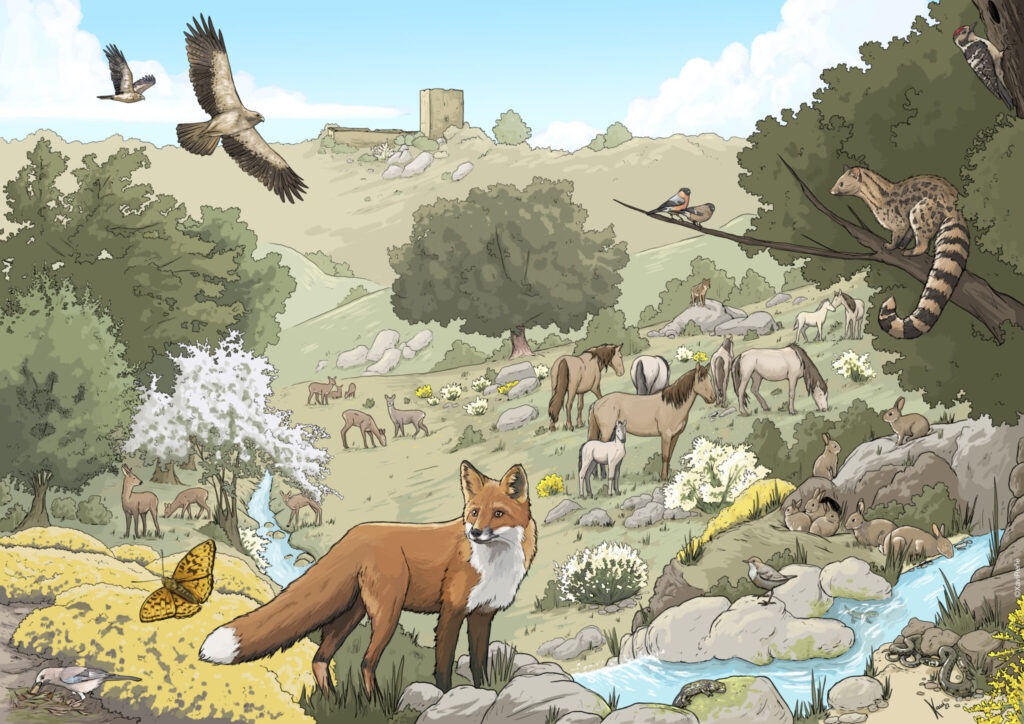
Bounded by the Alfaiates stream and the Cesarão River, small tributaries of the Côa River, this area contains natural values characteristic of the territory. The riparian gallery of ash trees (Fraxinus angustifolia), some of them centuries old, crosses meadows where a few cattle and roe deer still graze. The slopes are covered by Pyrenean oak woodlands (Quercus pyrenaica). Numerous bird species can be observed here; dragonflies and Mediterranean pond turtles take refuge in the aquatic corridor, and several species of butterflies hover over the flowering meadows.
Complementing the rich natural heritage, there is also the history and built heritage of Vilar Maior, notably the 13th-century castle at its highest point.
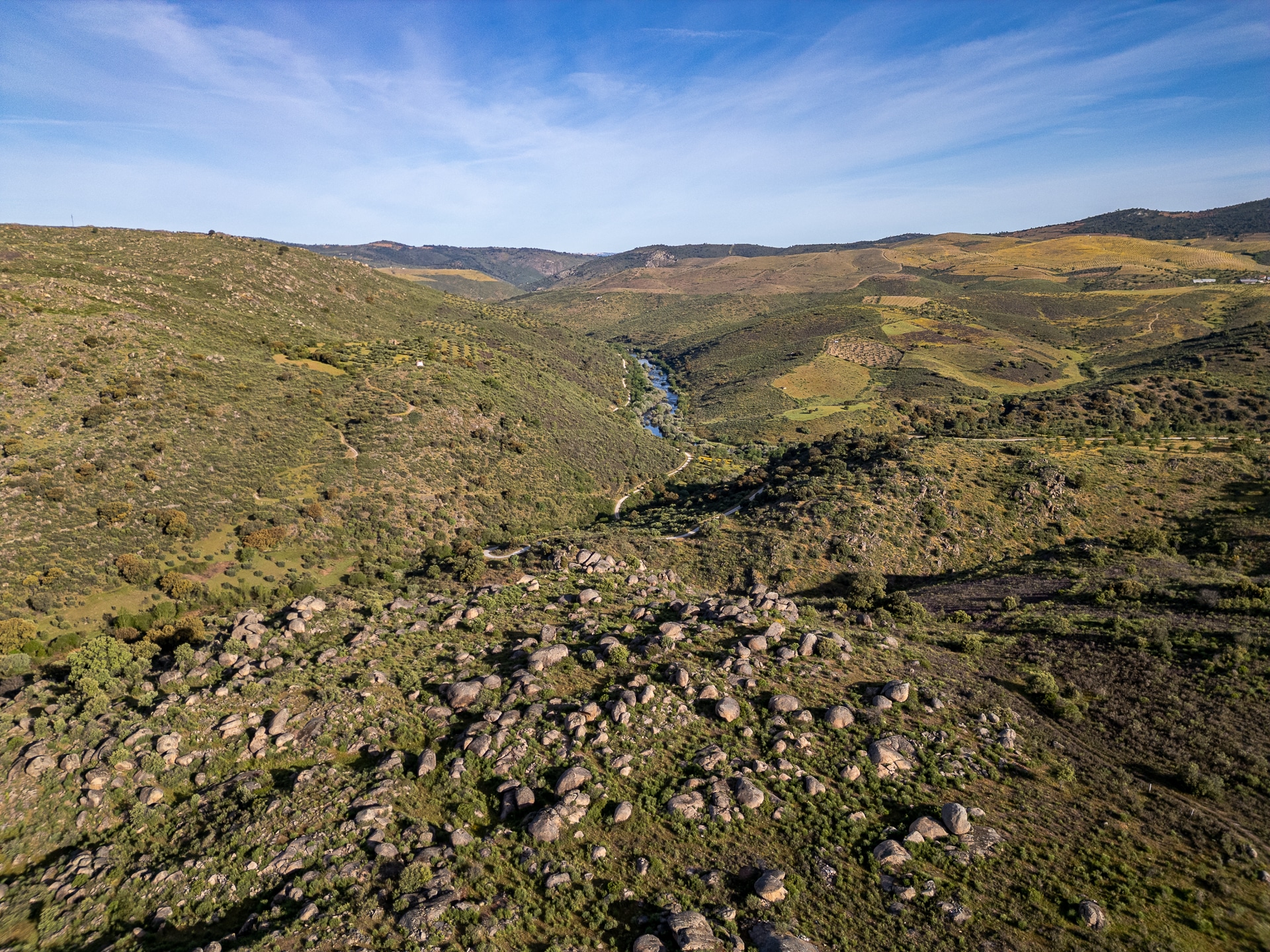
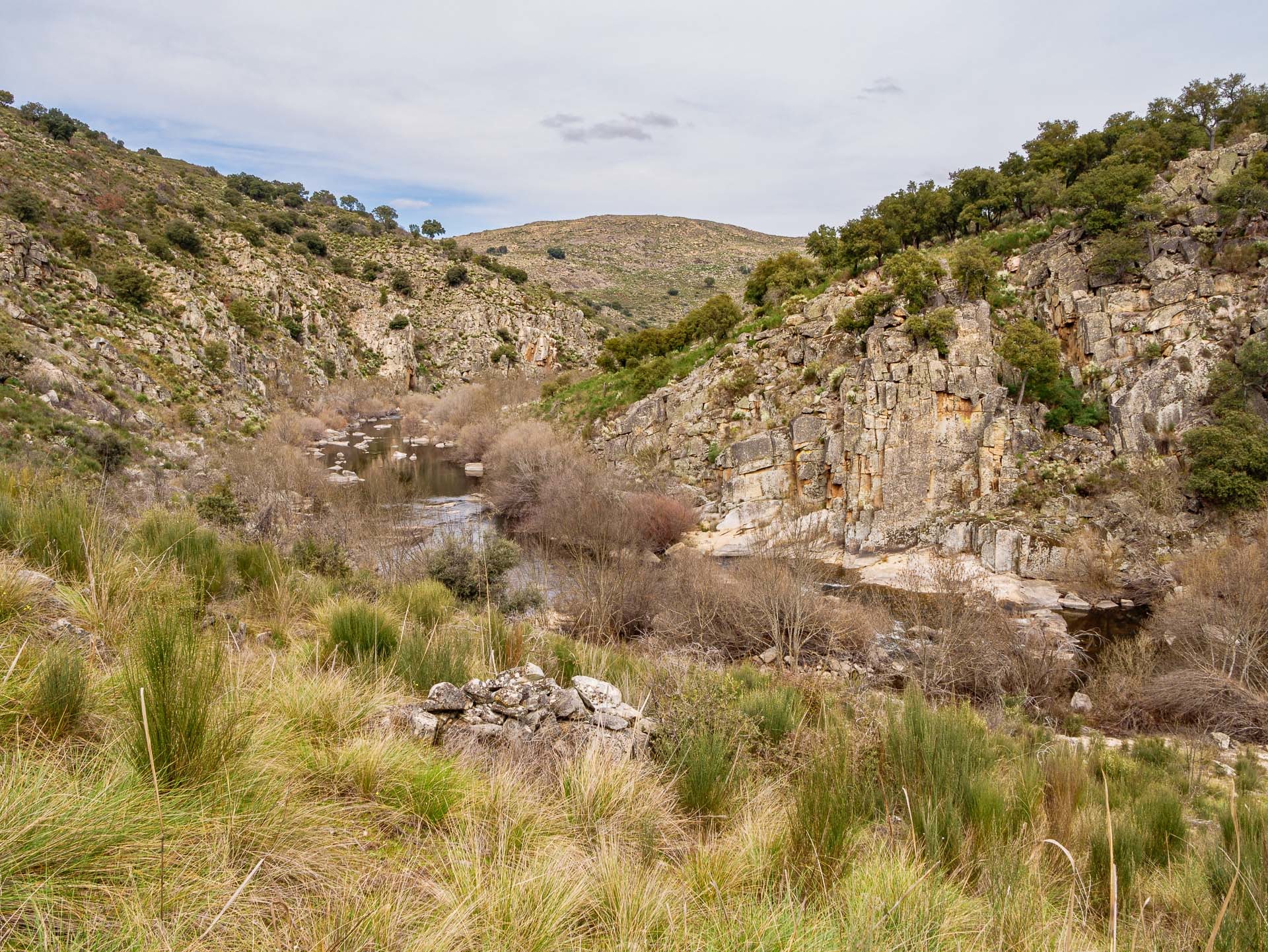
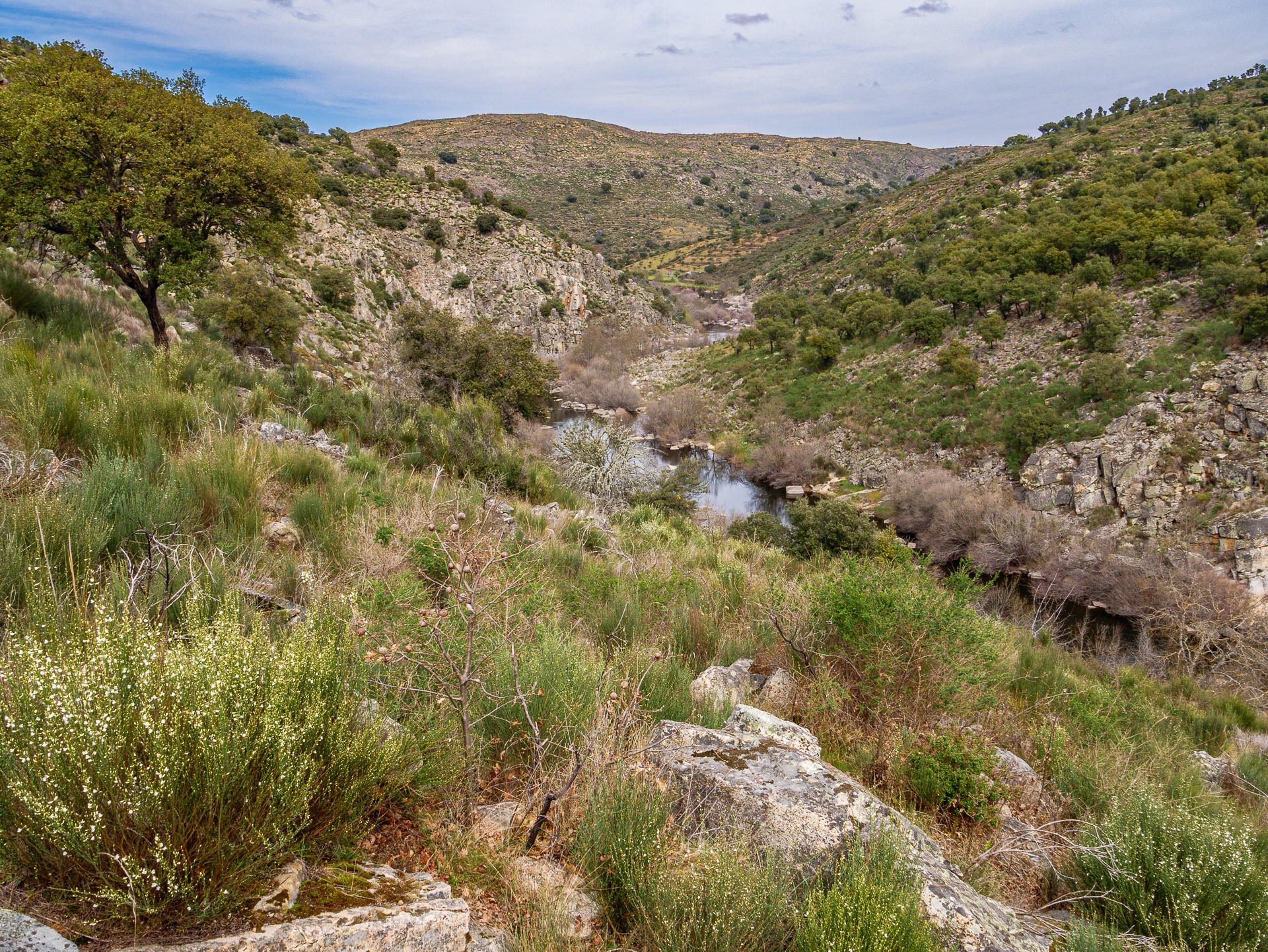
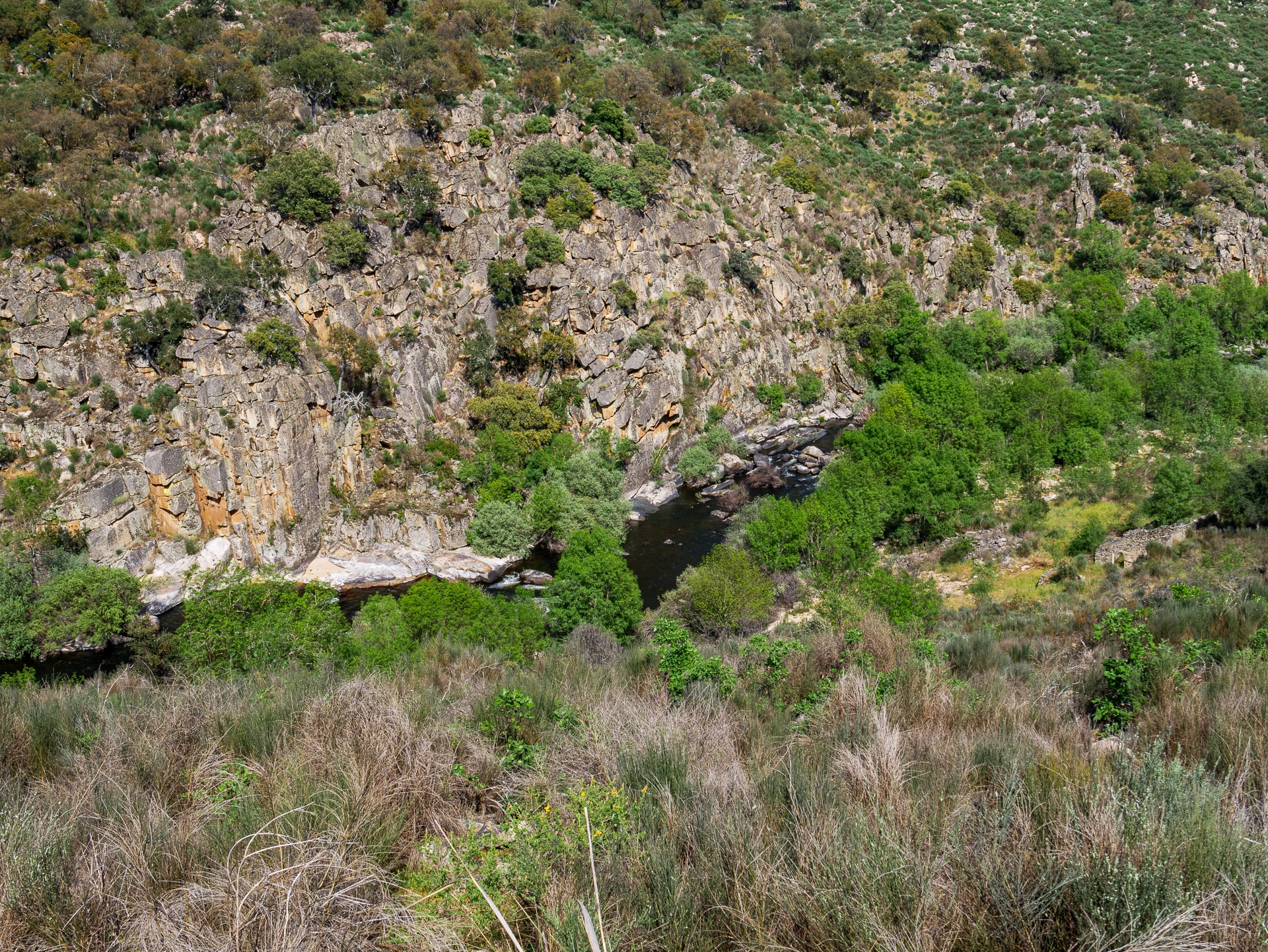
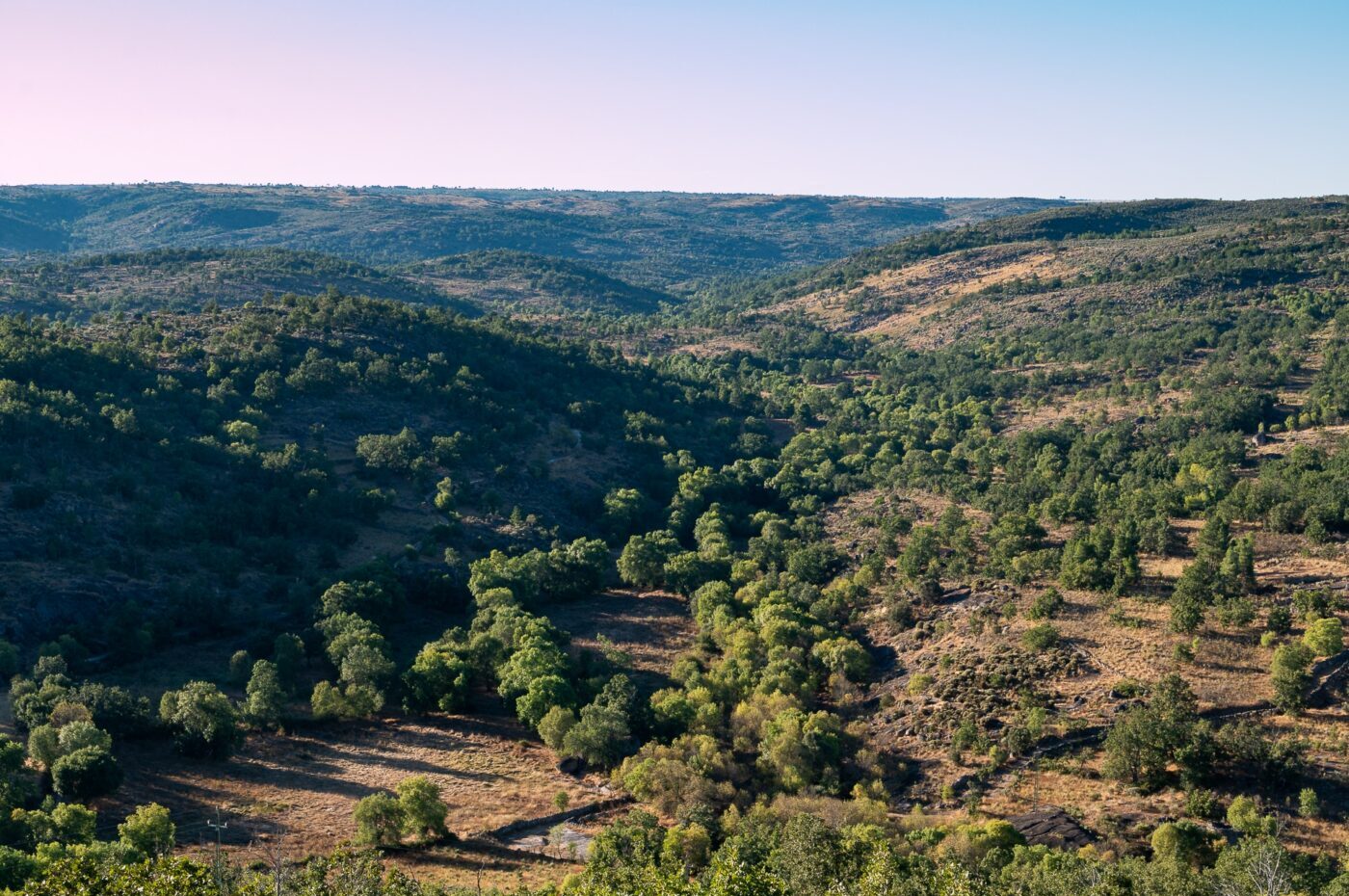
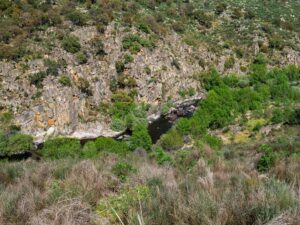
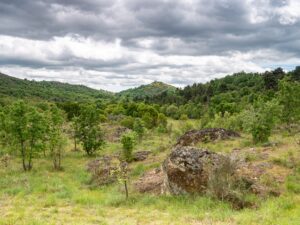
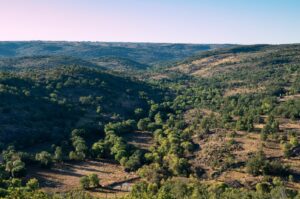
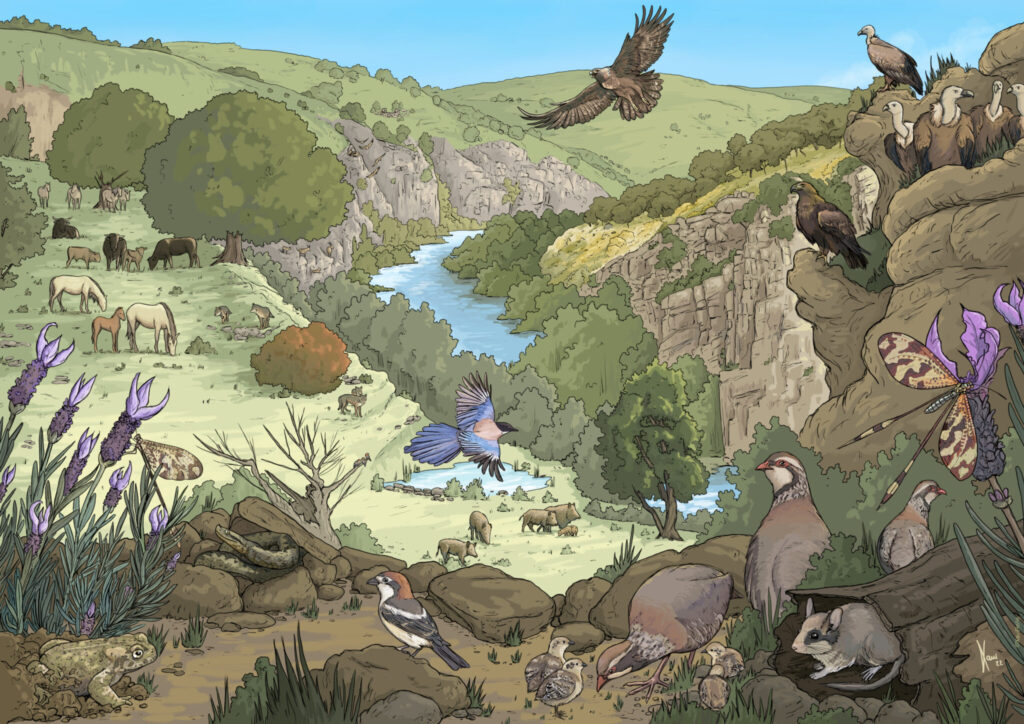
Currently covering about 1,000 ha, the Ermo das Águias is located roughly halfway along the course of the Côa River, on a steep slope of the left bank, where the river valley landscape is marked by crags and rugged hillsides. The opposite slope, however, has a significant area of cork oak (Quercus suber).
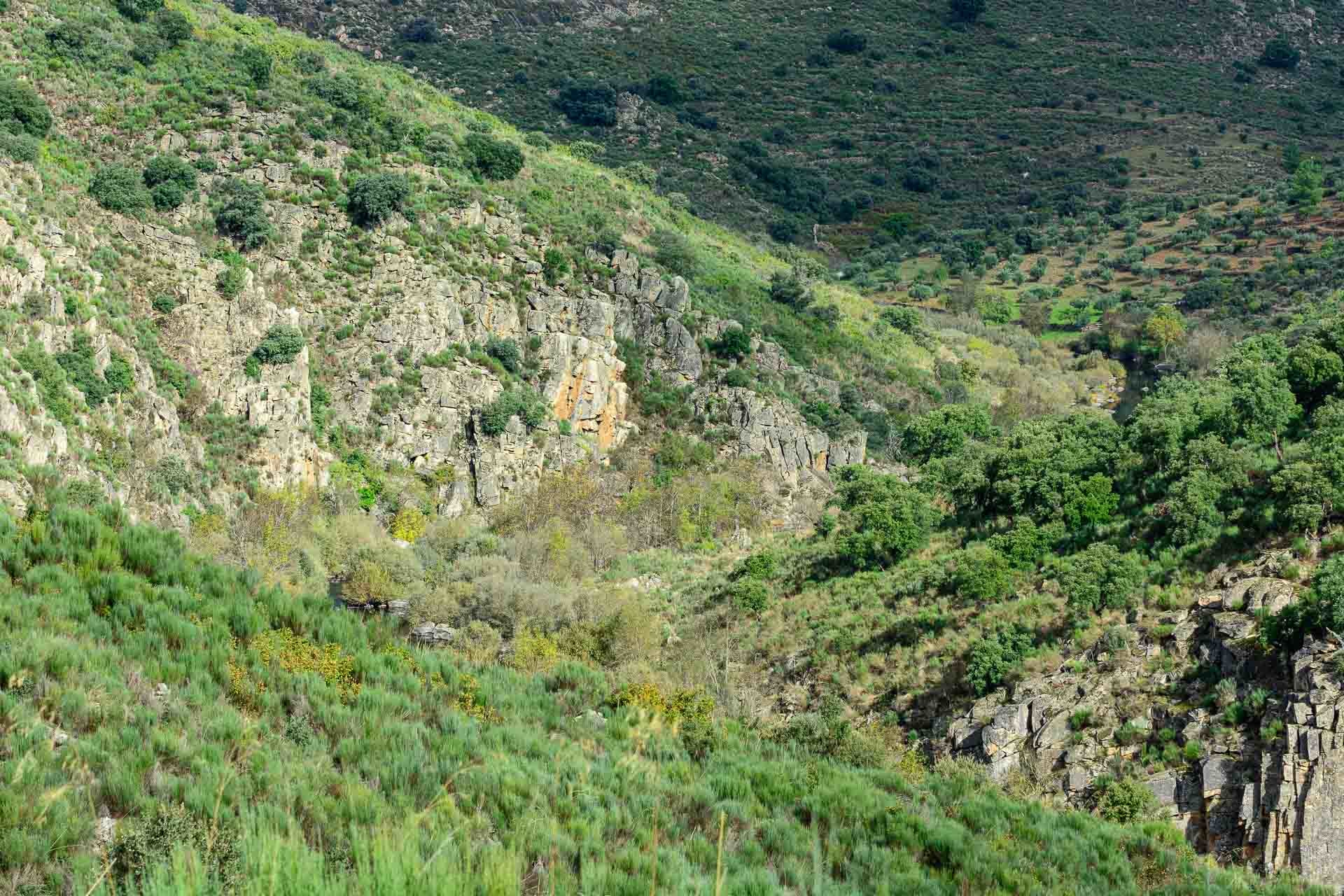
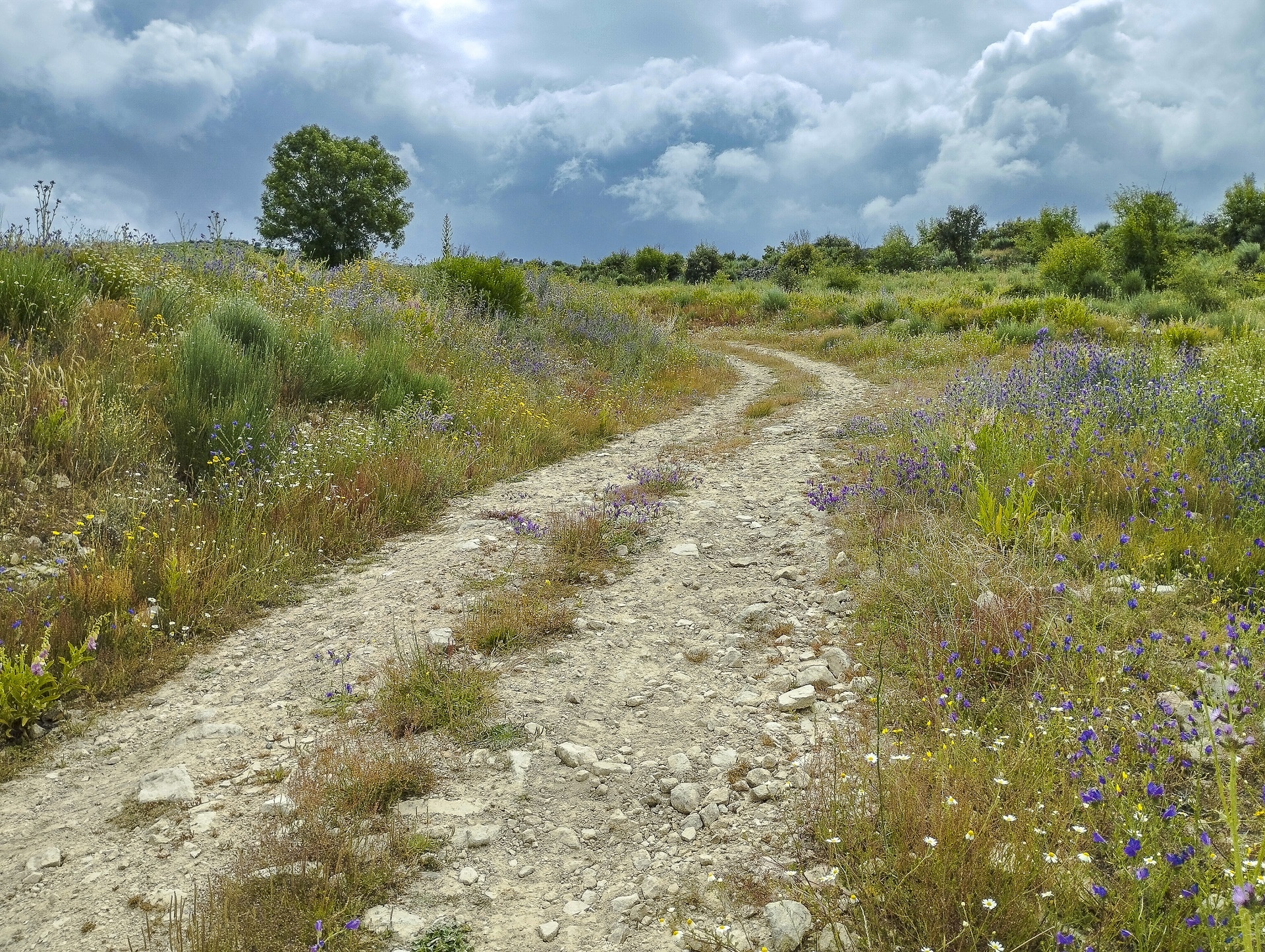
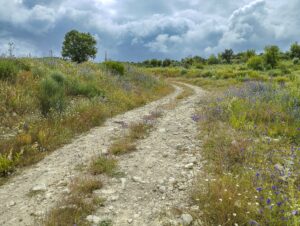
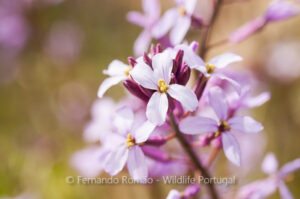
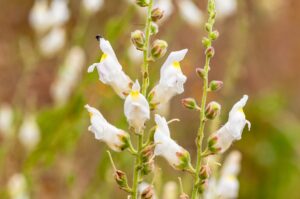
Despite a past of intense land use, the renaturalisation of the Pyrenean oak woodlands (Quercus pyrenaica) and their association with holm oaks and cork oaks is already evident. The meadows are gradually recovering their floristic diversity, which attracts more insects, rabbits and partridges.
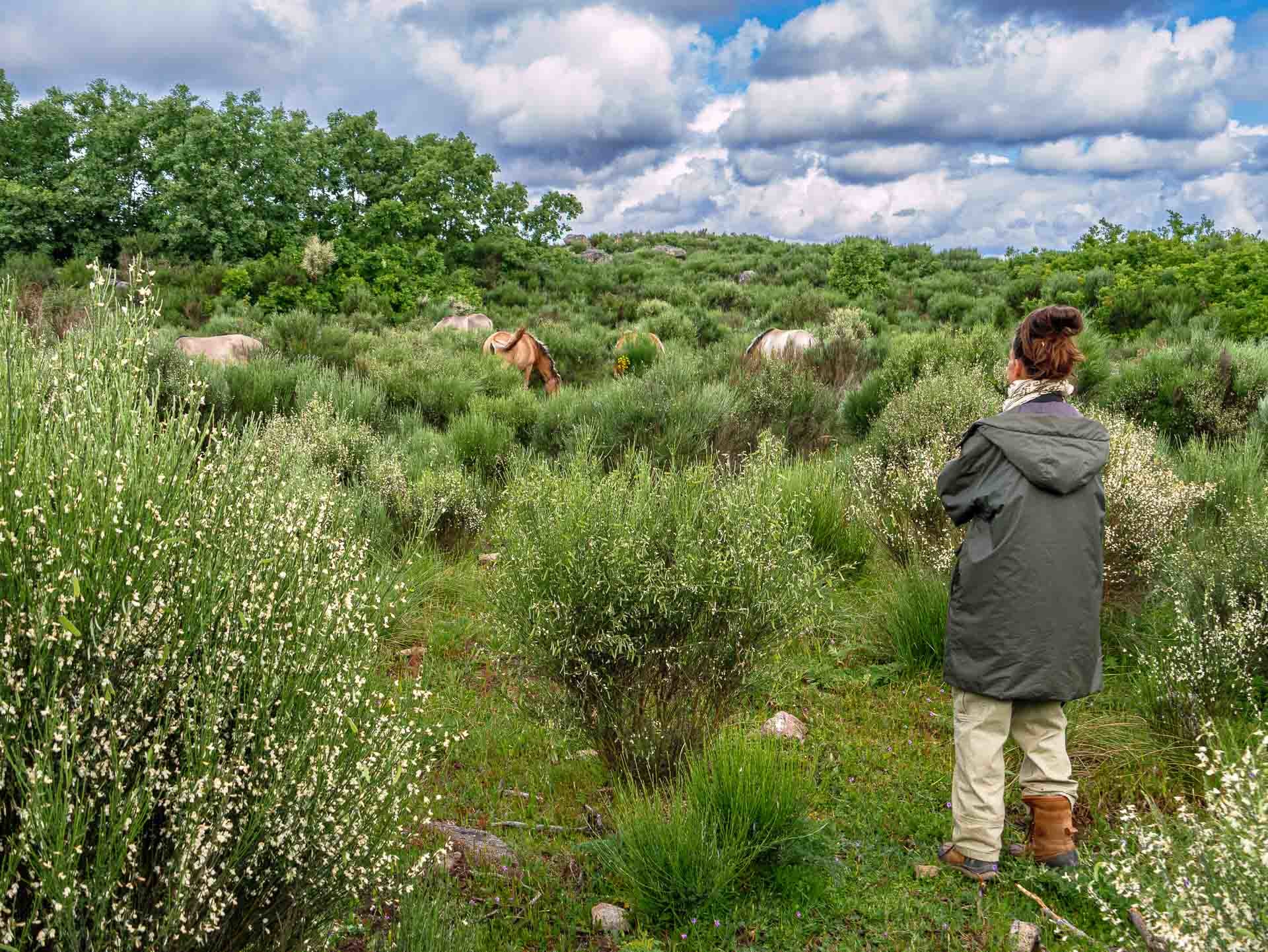
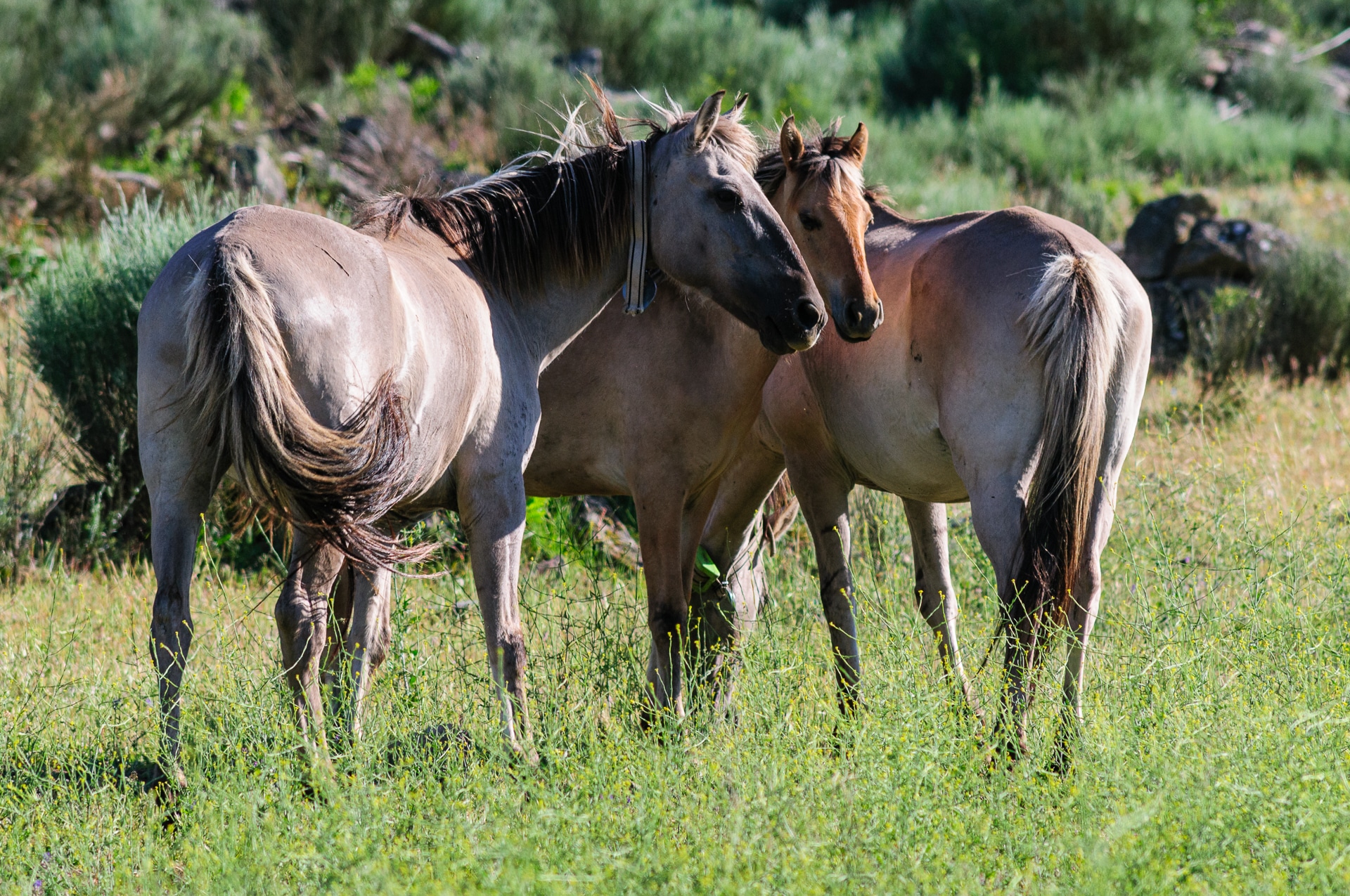
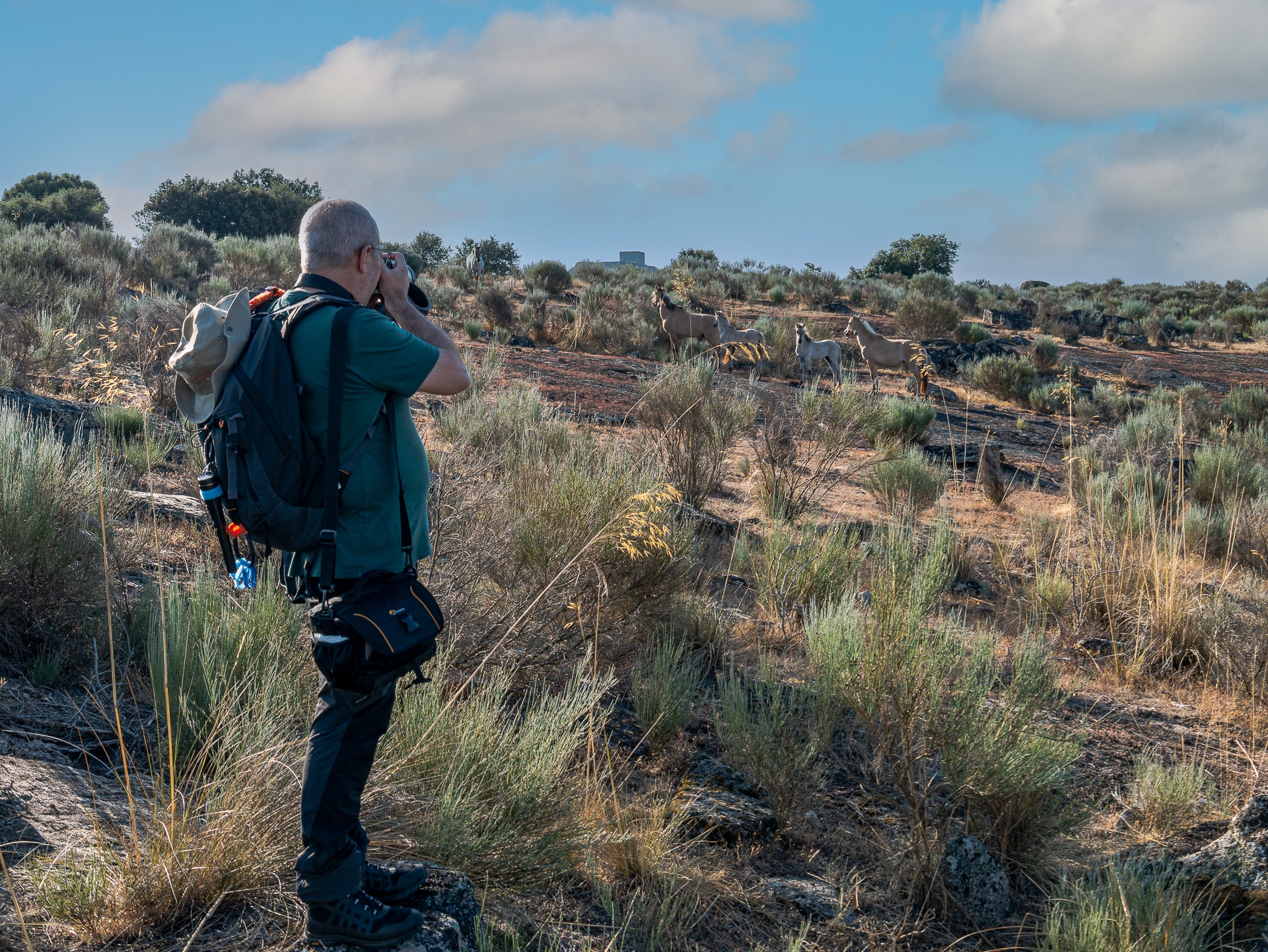
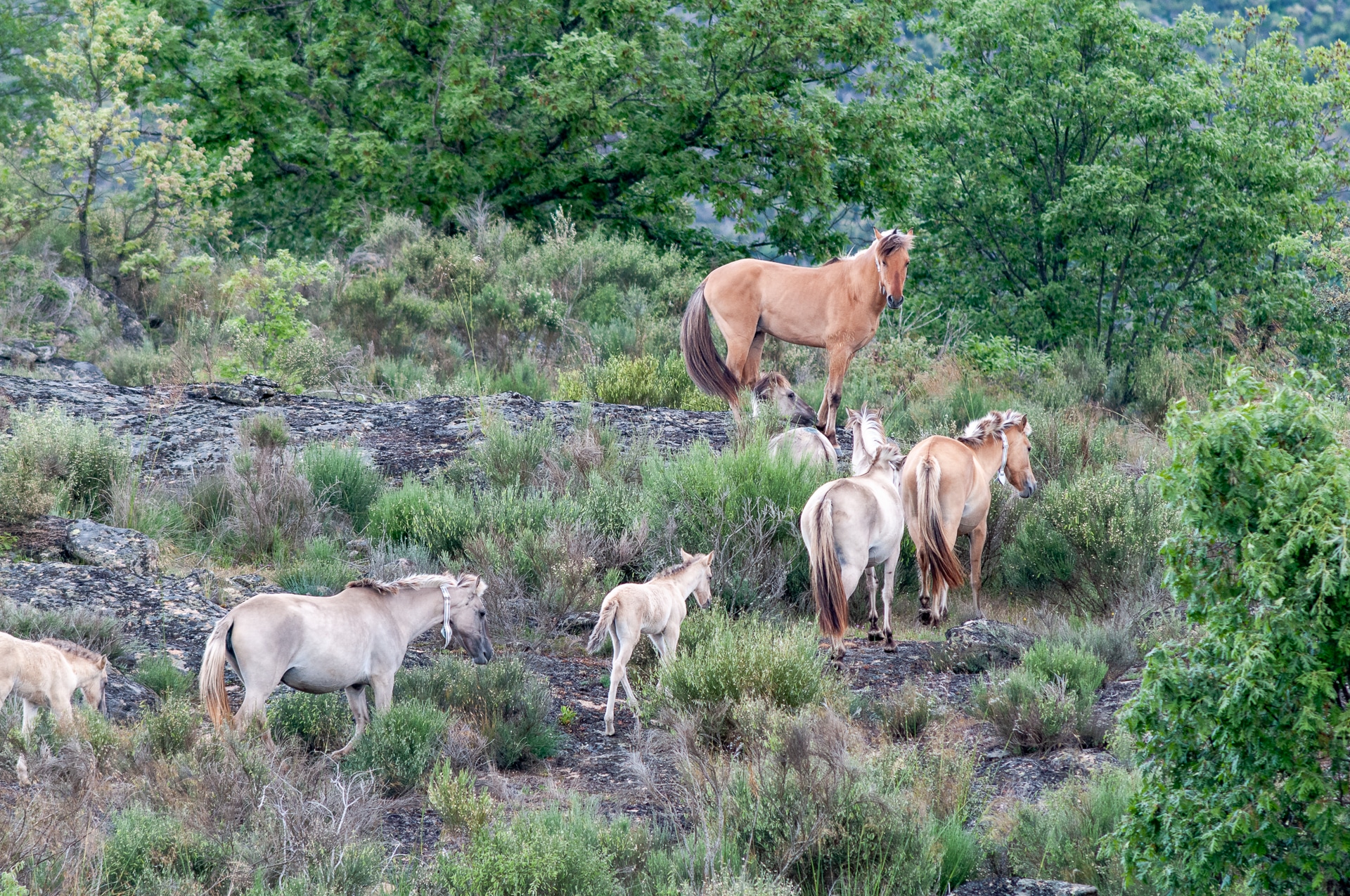
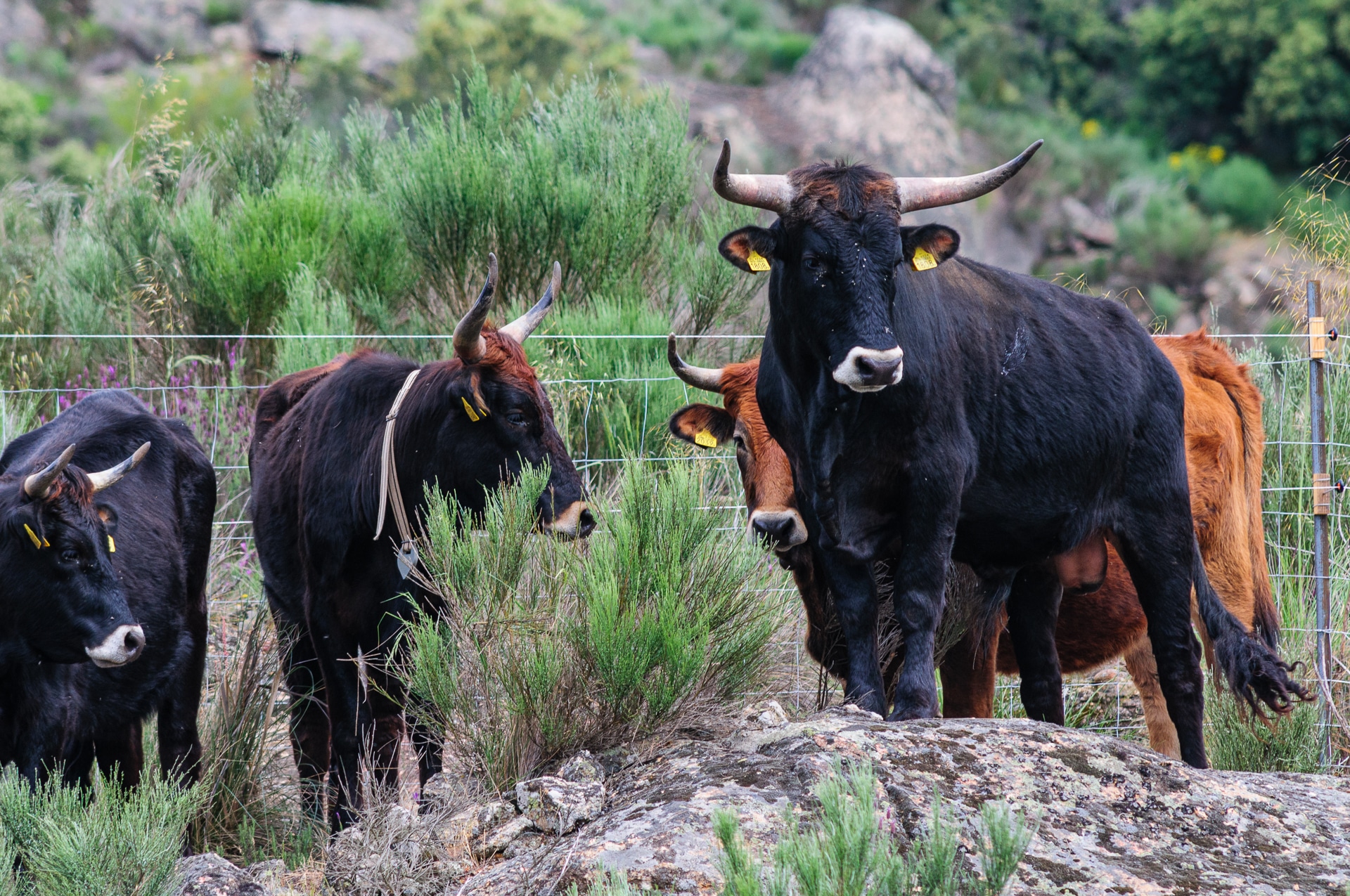
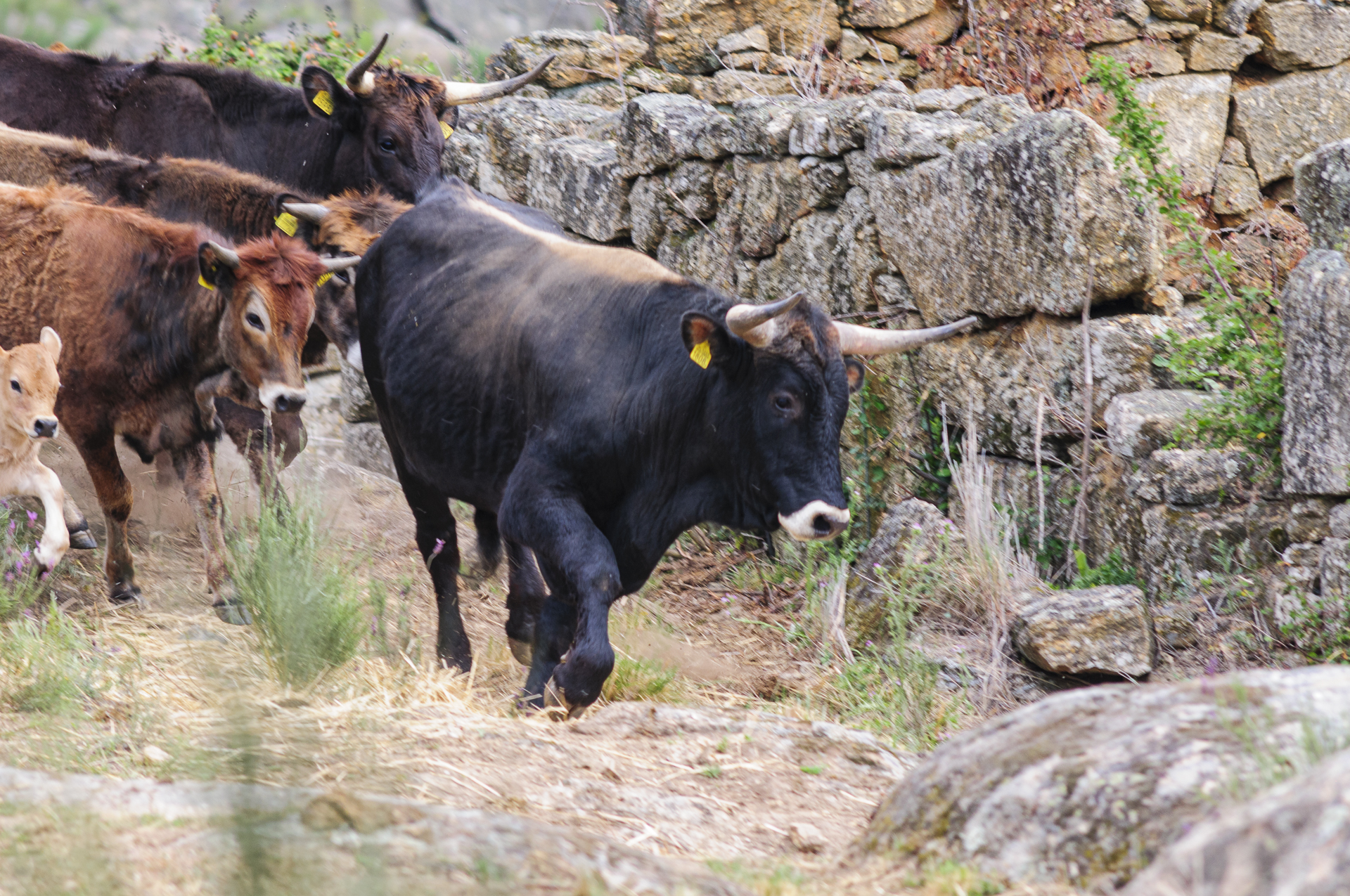
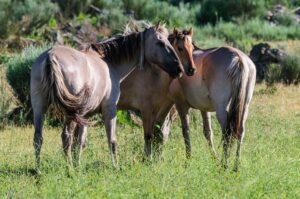
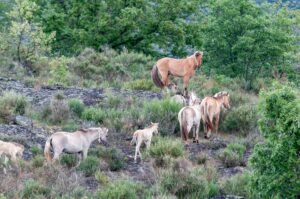
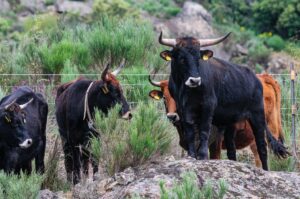
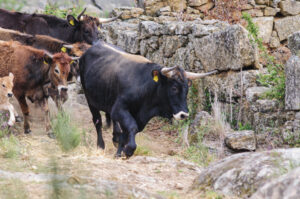
The landscape has a long history of recurring rural fires, associated with more or less intensive grazing. To try to restore natural herbivory processes, a small herd of the rare Sorraia horse breed was introduced here, along with a group of Taurus, cattle bred from several native breeds that display wilder characteristics and behaviours. These large herbivores will promote more sustainable and natural grazing of the vegetation and contribute to the balance of natural systems, creating a mosaic of habitats that reduces fire risk and supports populations of small herbivores.
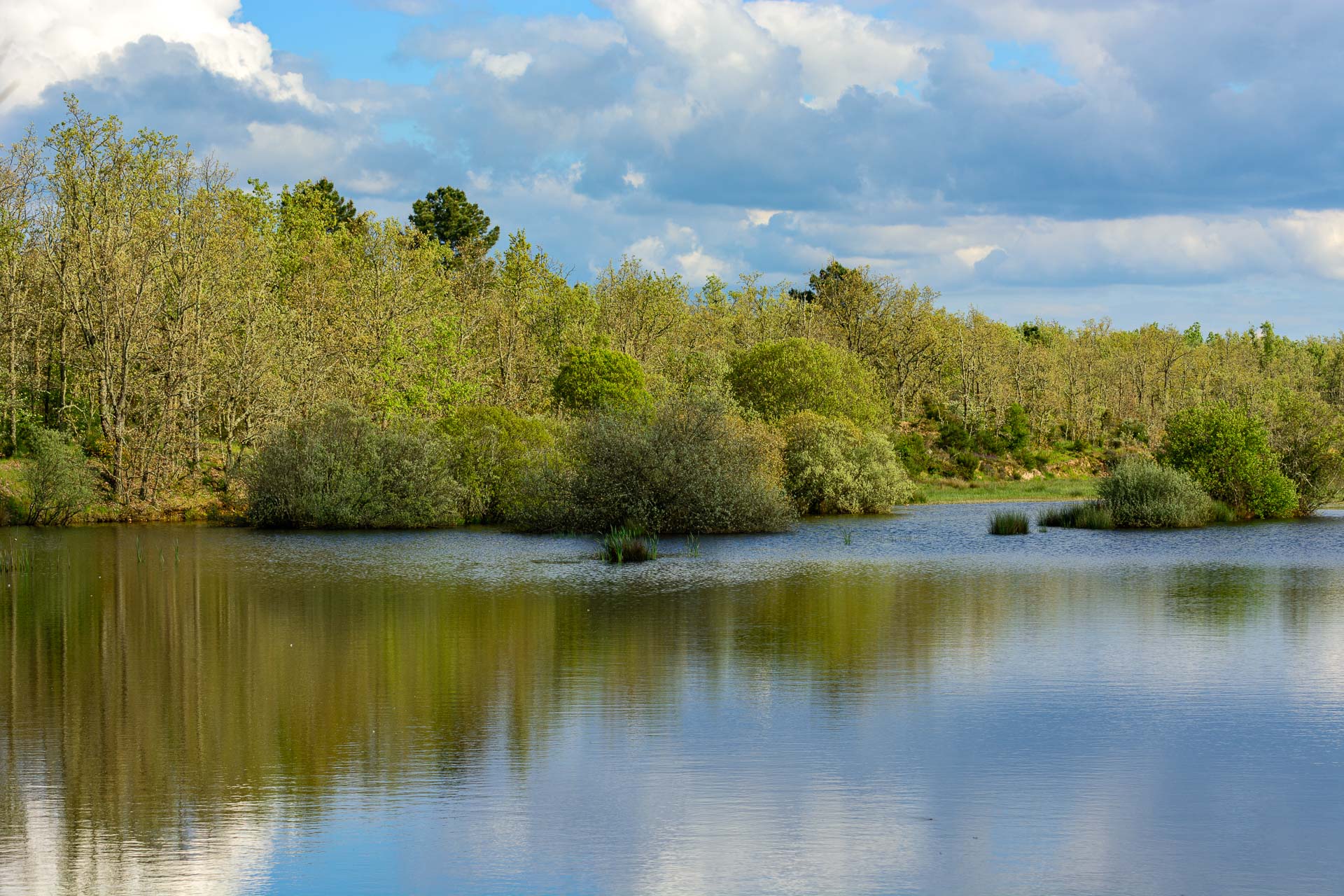
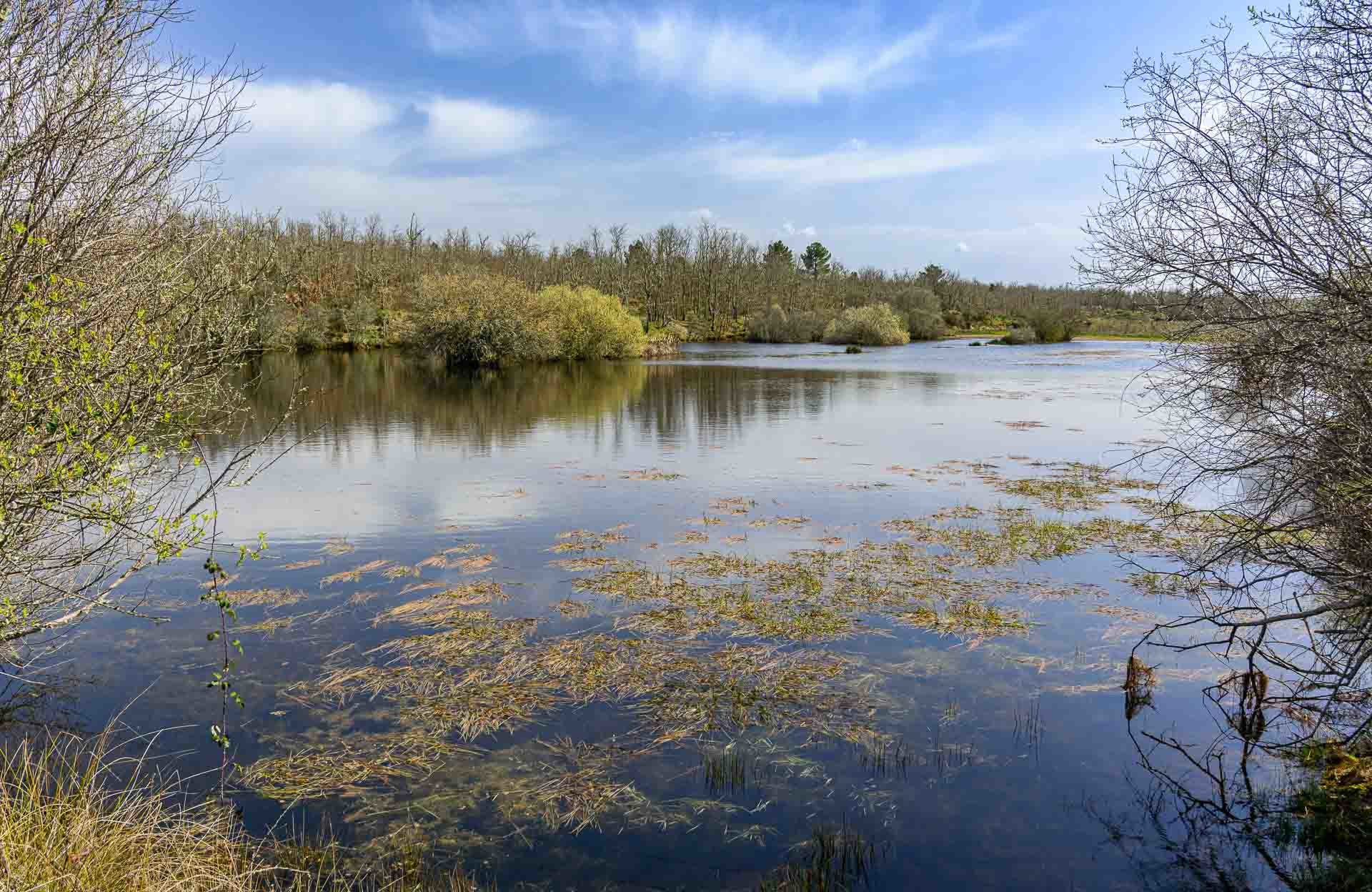
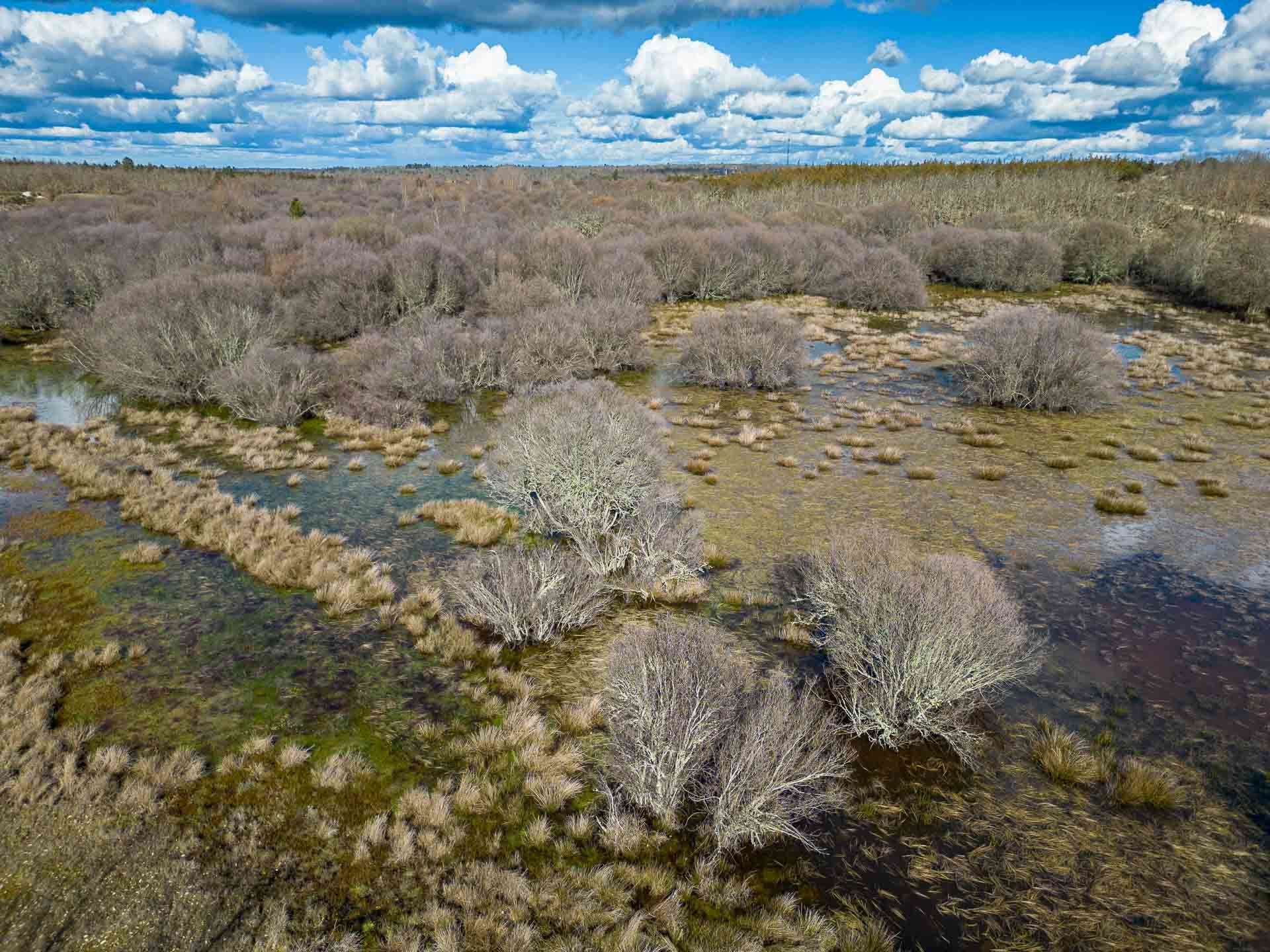
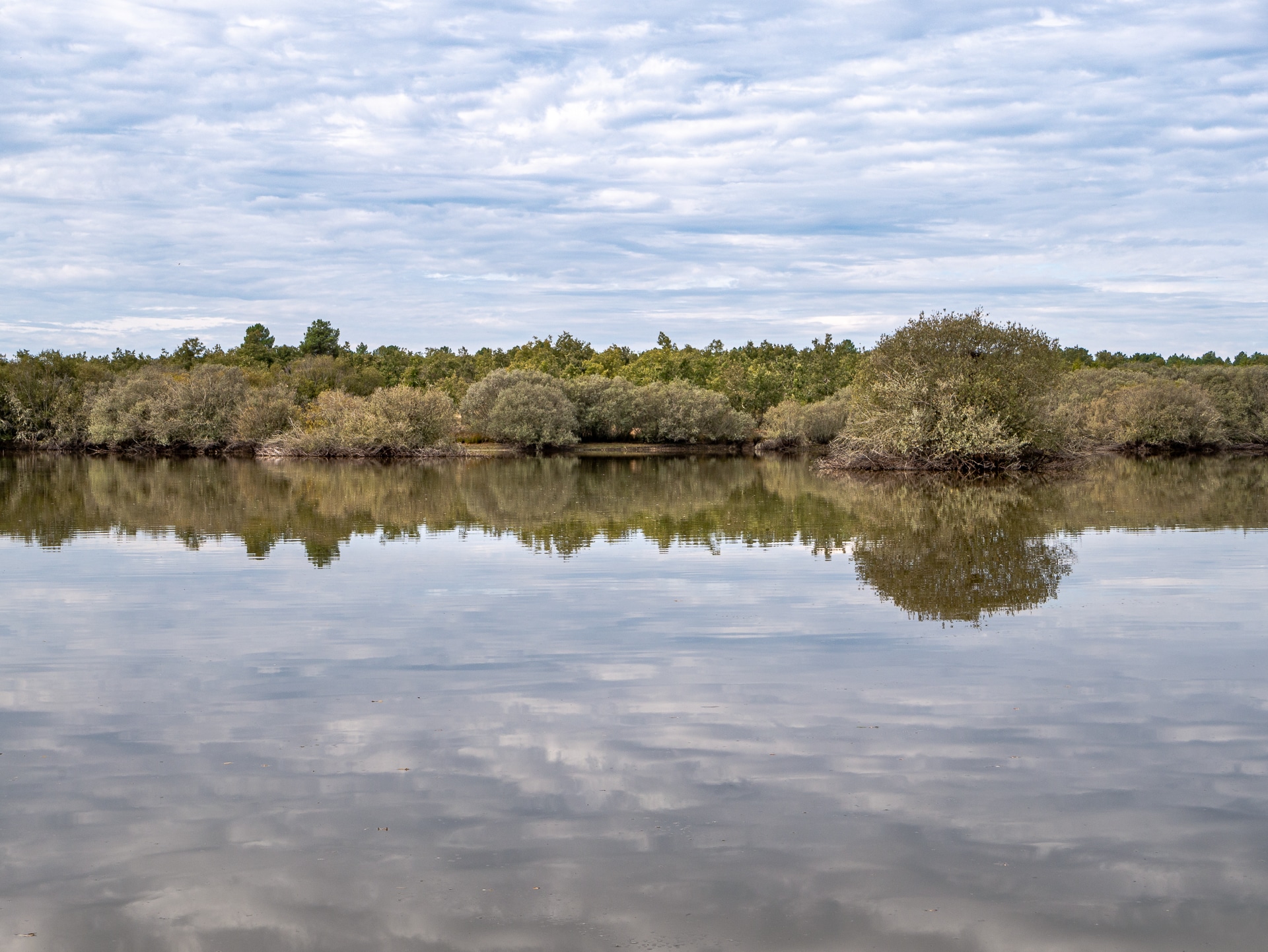
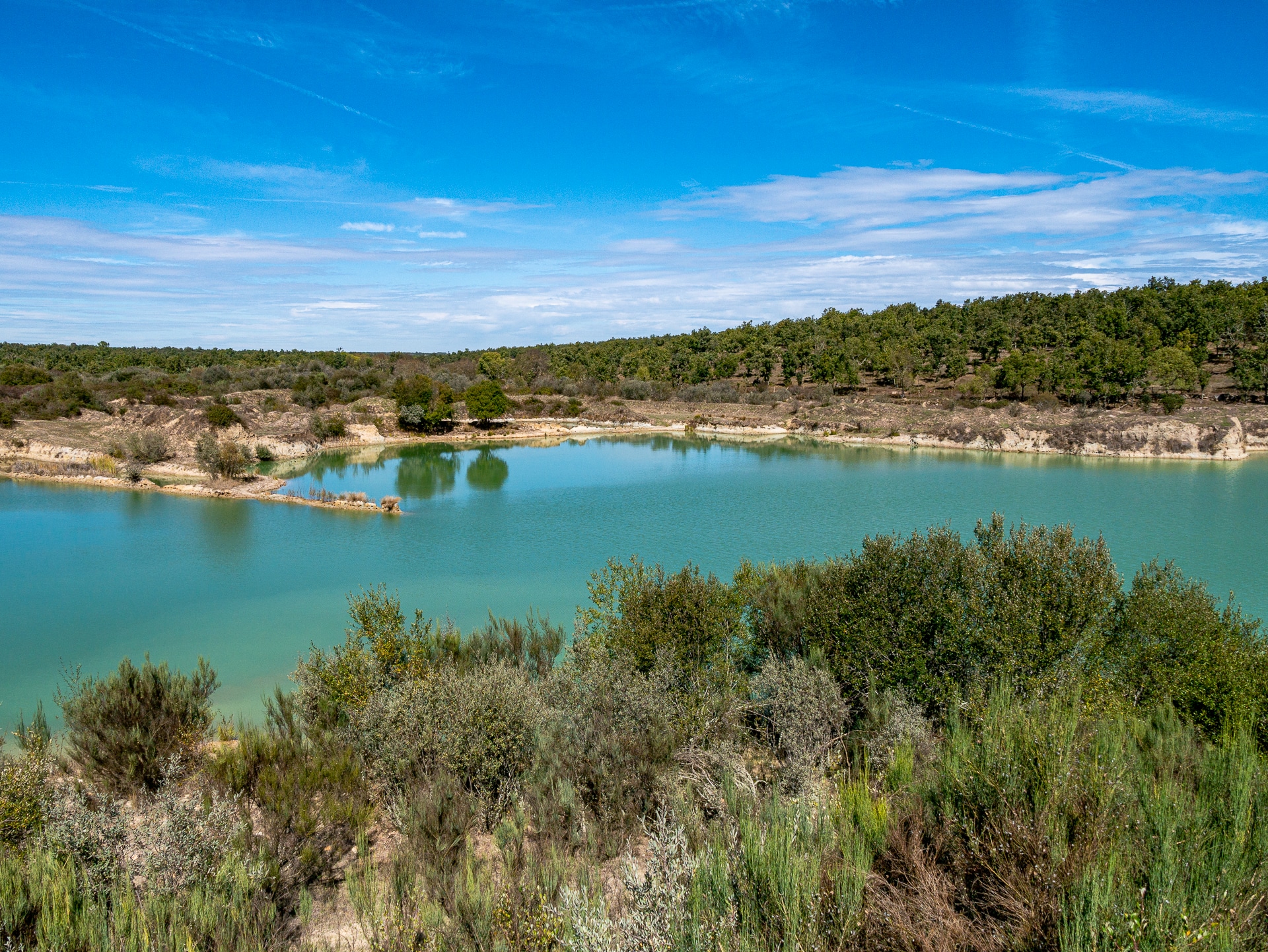
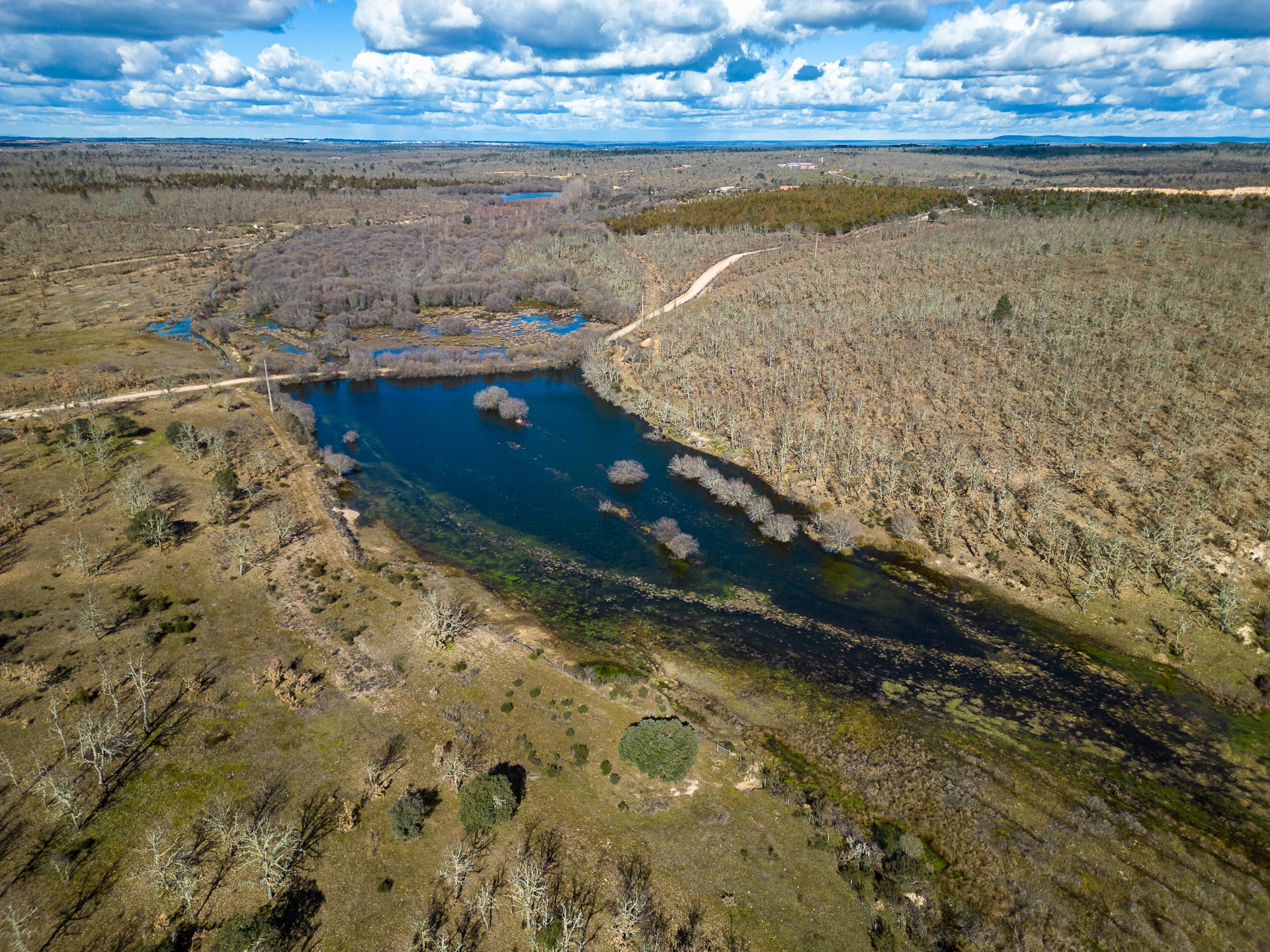
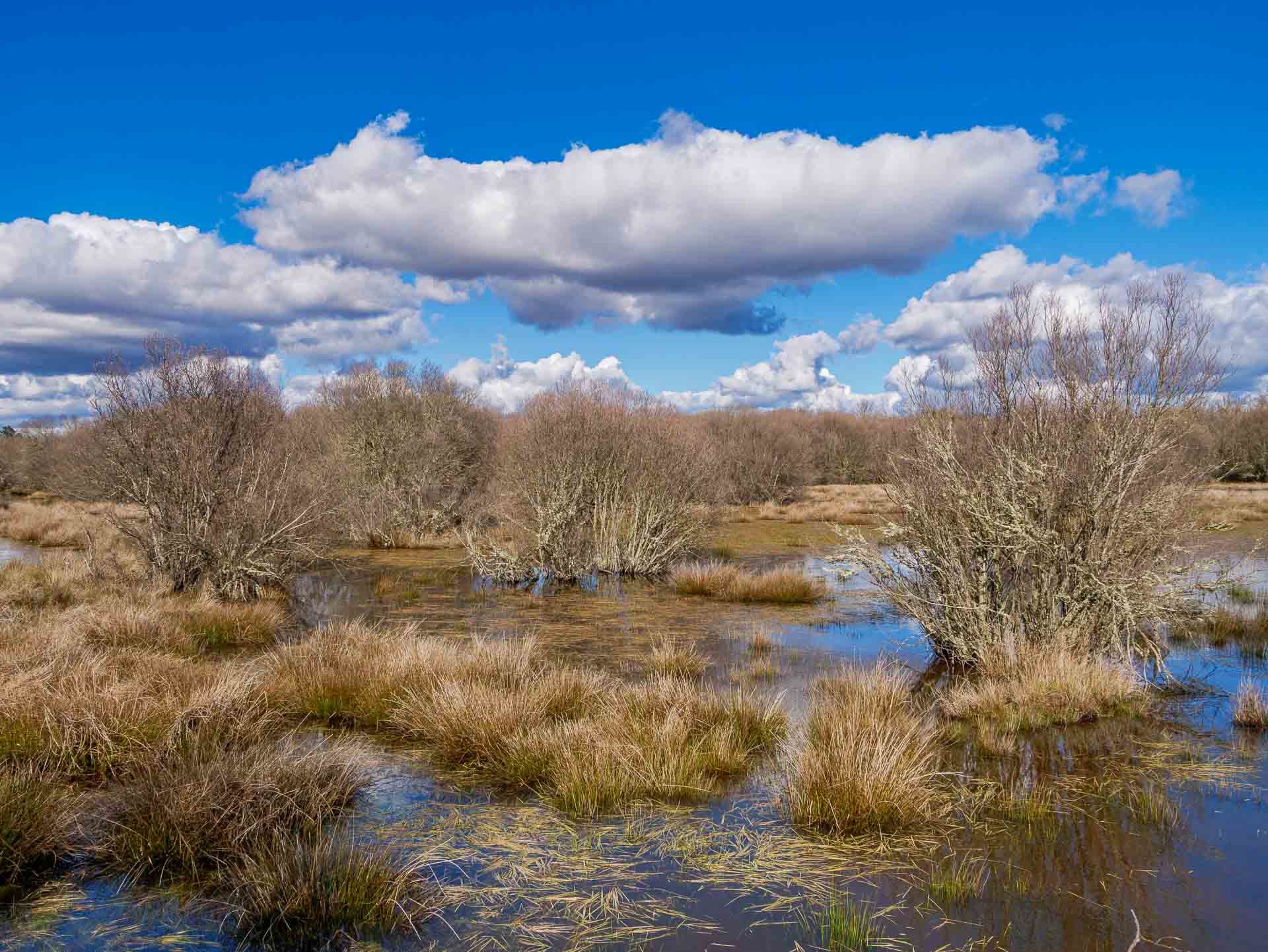
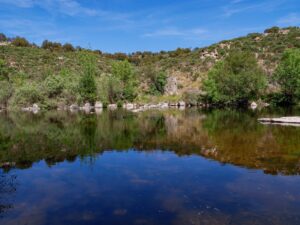
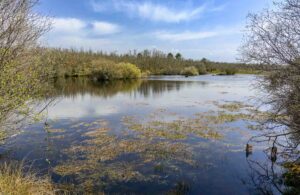
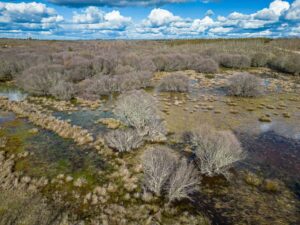
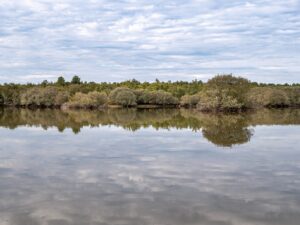
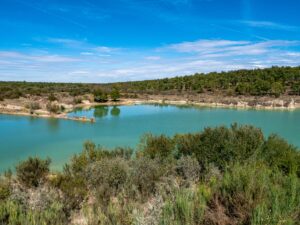
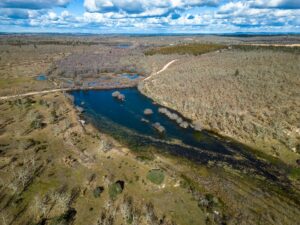
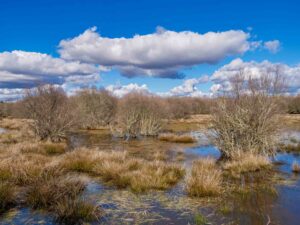
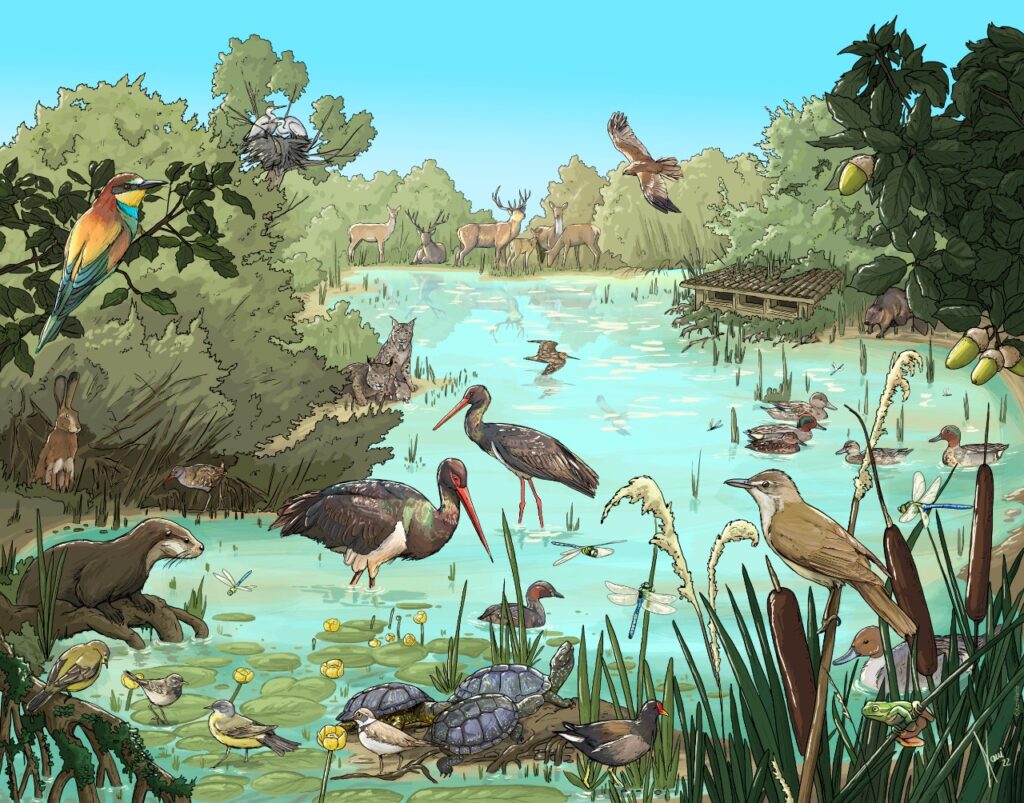
Covering about 300 ha, Paul de Toirões is located on the Beira plateau, near the Spanish border, and is a key area for landscape connectivity in the Greater Côa Valley, a corridor and refuge for wildlife. Paul de Toirões was a former mine, which ceased operating more than 10 years ago. Fed by the Tourões stream, it forms one of the largest water surfaces in the whole Côa Valley, spread over a great diversity of environments such as ponds, channels, and permanent and temporary lagoons. These are interconnected by seasonally flooded wetlands full of aquatic and riparian vegetation growing over the former tungsten, tin, titanium and aggregate extraction areas. Around all this water, willow woods abound, along with some reedbeds and a mostly young but extensive forest made up mainly of Pyrenean oak (Quercus pyrenaica) and holm oak (Quercus rotundifolia).
For several years Wildlife Portugal has specialised in the natural heritage of the Greater Côa Valley, following the creation and development of the rewilding areas managed by Rewilding Portugal, an NGO with which it has a partnership.
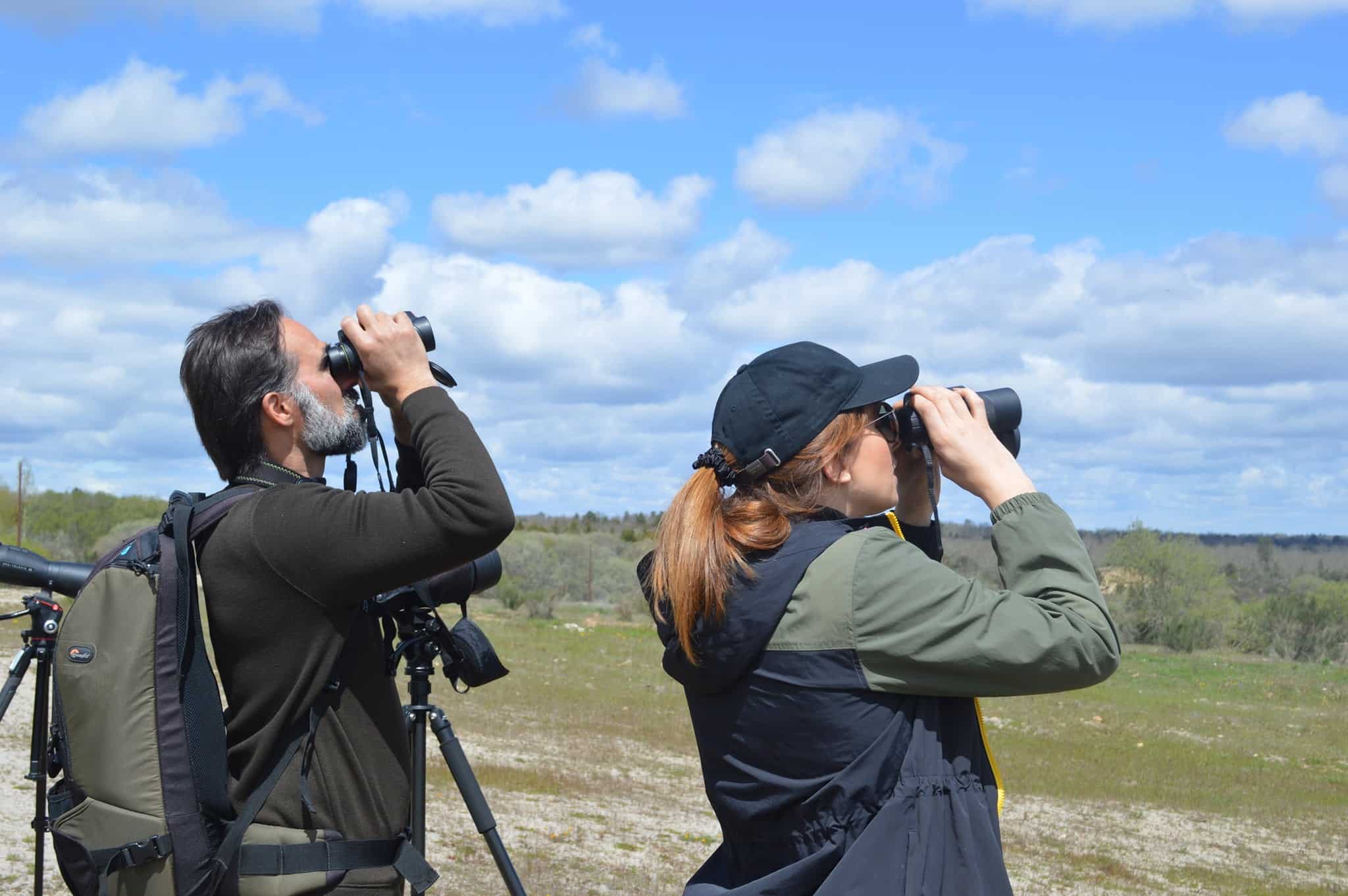
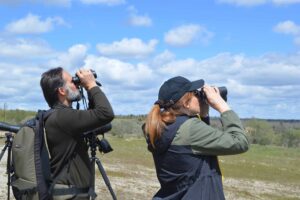
We are qualified and authorised to run guided visits to these three private areas, seeking to showcase rewilding principles and philosophy, their practical applications and their results – which reflect an increase in local biodiversity.
For private guided visits to one or more of these rewilding areas, contact us. We will be delighted to create a programme tailored to you.